Share to WeChat
×
 The browser's built-in sharing function is also very user-friendly~
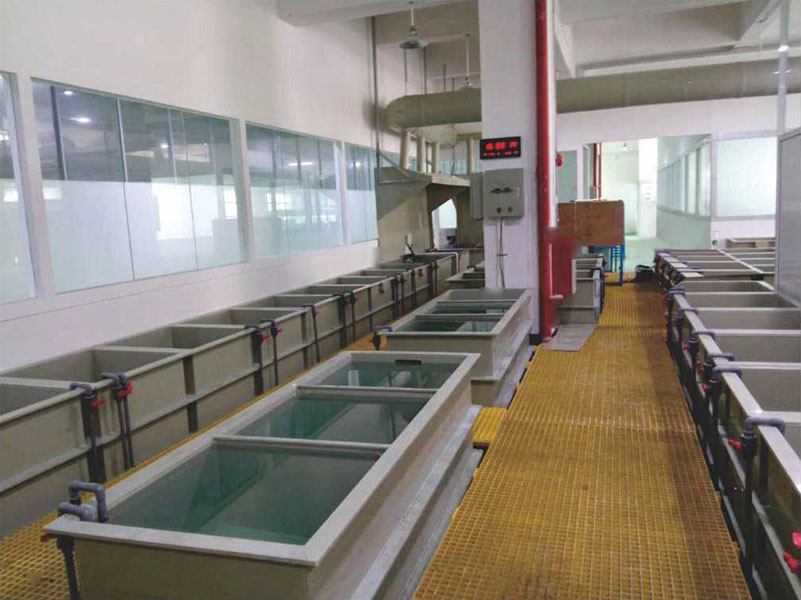
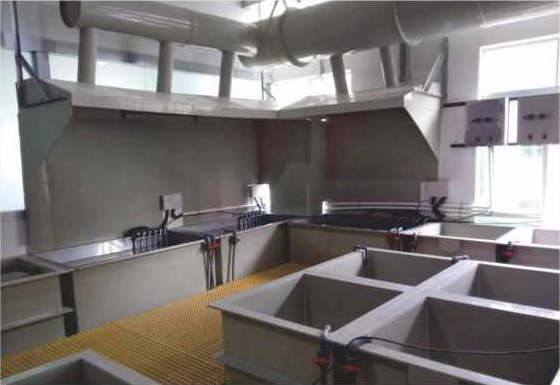
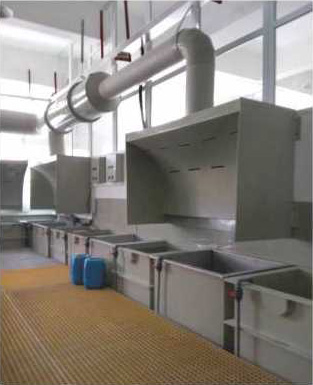
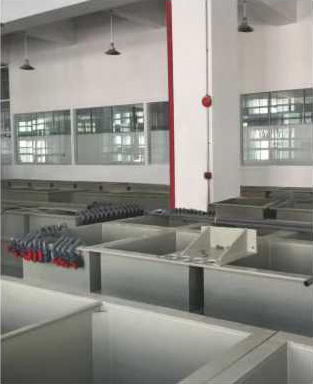
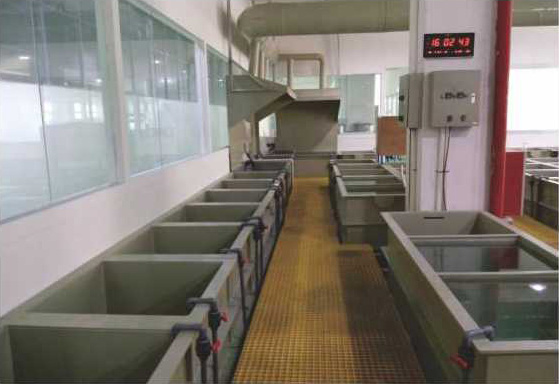
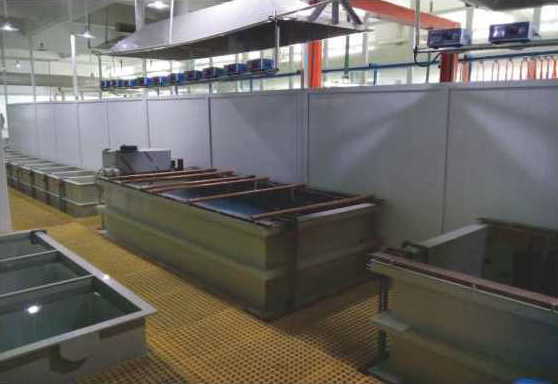
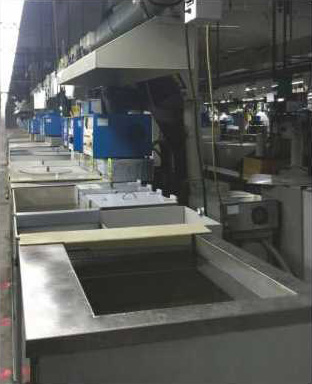
Amid the industrial trend toward high-level automation, the inherent value of manual operation—its directness, flexibility, and potential for fostering a profound understanding of the process—remains irreplaceable. The Dingli Technology Manual Oxidation Line is not a simplified technology but a focused design philosophy. It aims to strip away all non-essential layers of automation, concentrating core resources on providing a stable and reliable foundational framework for process execution. In this system, the operator’s experience and judgment become the most central “intelligent control system.” The design core of this system lies in creating an intuitive, reliable, and easily accessible physical workspace. The line employs a structurally simple yet robust manual or electric chain hoist system. Using a handheld pendant or a button station, the operator directly controls the transfer rhythm and dwell time of workpieces as they move between various process tanks, such as degreasing, etching, anodizing, coloring, and sealing. Each process tank is equipped with an independent, easy-to-read temperature controller and a mechanical agitation switch. The oxidation power supply utilizes a traditional voltage/current stabilizing rectifier with a clear panel display and direct parameter adjustments. This “one machine, one control, one clear view” design ensures that any subtle adjustment to process parameters receives immediate and direct feedback, greatly facilitating process debugging and problem diagnosis. It is precisely this directness that gives the manual line its unique value for process exploration and skill development. For R&D personnel, it is the perfect tool for validating the oxidation characteristics of new materials or experimenting with new chemical formula parameters, as every change in current, time adjustment, and visual effect can be observed and correlated without delay. For trainees or technicians, this line acts as a transparent “process microscope.” Through hands-on operation, they can visually and intuitively comprehend how core parameters like concentration, temperature, current density, and time collectively influence the final oxide coating quality—a depth of understanding that pressing buttons on an automated line cannot provide. Furthermore, the system offers significant advantages in terms of economy and adaptability. Its simple construction leads to very low maintenance costs, and common issues can be troubleshooted and resolved by the operators themselves. The open tank layout not only simplifies chemical charging, tank cleaning, and routine maintenance but also allows users to flexibly add, remove, or reconfigure process tanks based on evolving production needs, enabling low-cost modification and functional expansion of the line. This ready adaptability is crucial for personalized customization workshops or repair shops that handle a wide, ever-changing variety of products. In summary, the Dingli Technology Manual Oxidation Line redefines the value of “basic equipment.” It provides not merely a set of tools to accomplish oxidation but a foundational platform for cultivating process experts and nurturing technological innovation. It re-anchors production on a deep, human mastery of the craft, making it a classic and enduring choice for teams and individuals who value hands-on creation and are committed to in-depth process understanding.
Manual Oxidation Line
Share to WeChat
× The browser's built-in sharing function is also very user-friendly~
Amid the industrial trend toward high-level automation, the inherent value of manual operation—its directness, flexibility, and potential for fostering a profound understanding of the process—remains irreplaceable. The Dingli Technology Manual Oxidation Line is not a simplified technology but a focused design philosophy. It aims to strip away all non-essential layers of automation, concentrating core resources on providing a stable and reliable foundational framework for process execution. In this system, the operator’s experience and judgment become the most central “intelligent control system.” The design core of this system lies in creating an intuitive, reliable, and easily accessible physical workspace. The line employs a structurally simple yet robust manual or electric chain hoist system. Using a handheld pendant or a button station, the operator directly controls the transfer rhythm and dwell time of workpieces as they move between various process tanks, such as degreasing, etching, anodizing, coloring, and sealing. Each process tank is equipped with an independent, easy-to-read temperature controller and a mechanical agitation switch. The oxidation power supply utilizes a traditional voltage/current stabilizing rectifier with a clear panel display and direct parameter adjustments. This “one machine, one control, one clear view” design ensures that any subtle adjustment to process parameters receives immediate and direct feedback, greatly facilitating process debugging and problem diagnosis. It is precisely this directness that gives the manual line its unique value for process exploration and skill development. For R&D personnel, it is the perfect tool for validating the oxidation characteristics of new materials or experimenting with new chemical formula parameters, as every change in current, time adjustment, and visual effect can be observed and correlated without delay. For trainees or technicians, this line acts as a transparent “process microscope.” Through hands-on operation, they can visually and intuitively comprehend how core parameters like concentration, temperature, current density, and time collectively influence the final oxide coating quality—a depth of understanding that pressing buttons on an automated line cannot provide. Furthermore, the system offers significant advantages in terms of economy and adaptability. Its simple construction leads to very low maintenance costs, and common issues can be troubleshooted and resolved by the operators themselves. The open tank layout not only simplifies chemical charging, tank cleaning, and routine maintenance but also allows users to flexibly add, remove, or reconfigure process tanks based on evolving production needs, enabling low-cost modification and functional expansion of the line. This ready adaptability is crucial for personalized customization workshops or repair shops that handle a wide, ever-changing variety of products. In summary, the Dingli Technology Manual Oxidation Line redefines the value of “basic equipment.” It provides not merely a set of tools to accomplish oxidation but a foundational platform for cultivating process experts and nurturing technological innovation. It re-anchors production on a deep, human mastery of the craft, making it a classic and enduring choice for teams and individuals who value hands-on creation and are committed to in-depth process understanding.