Share to WeChat
×
 The browser's built-in sharing function is also very user-friendly~
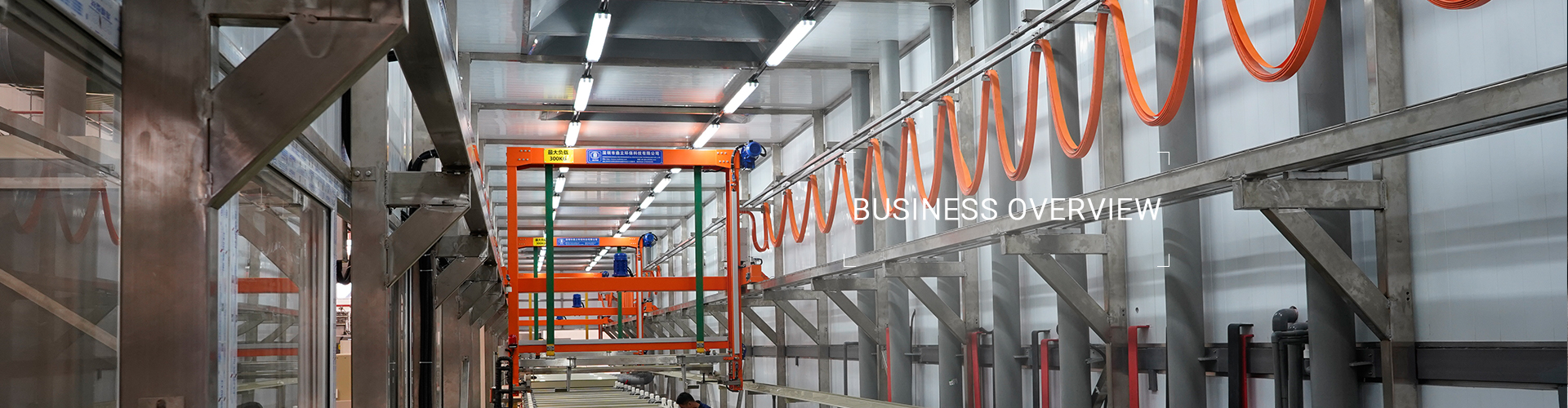
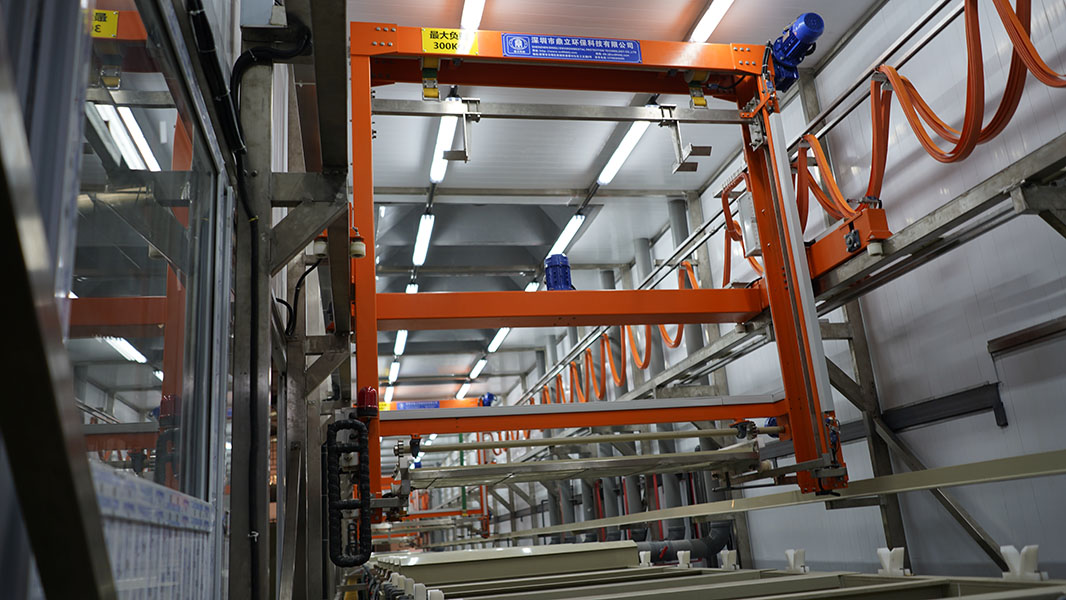
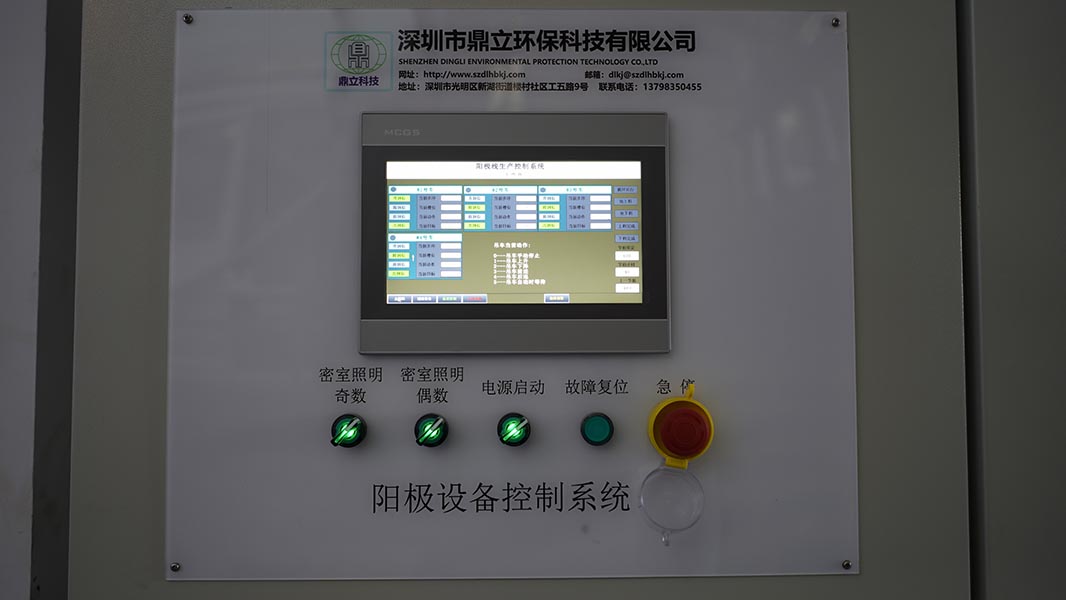
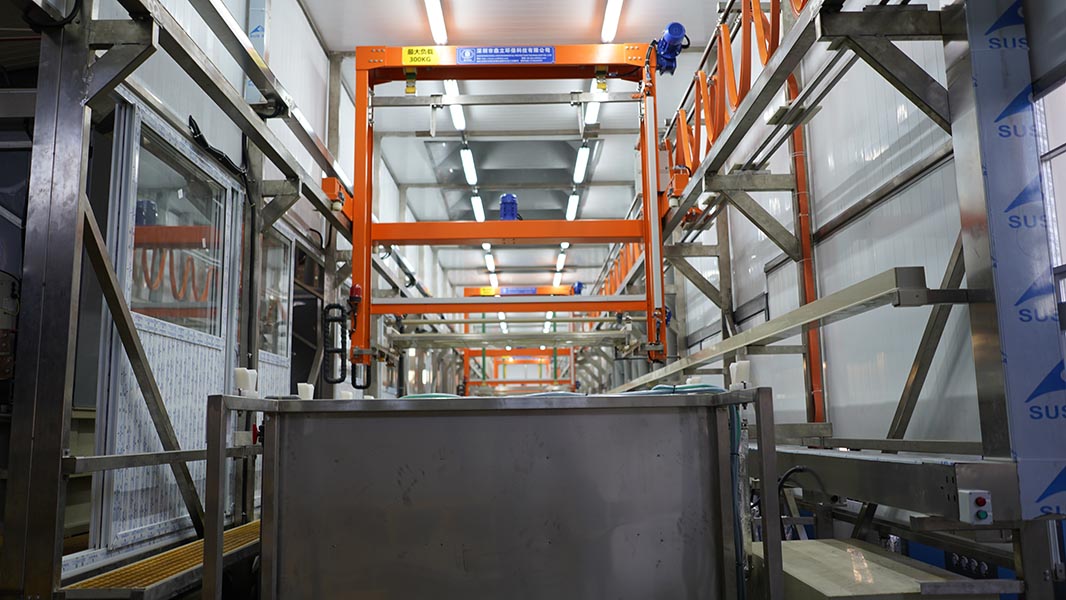
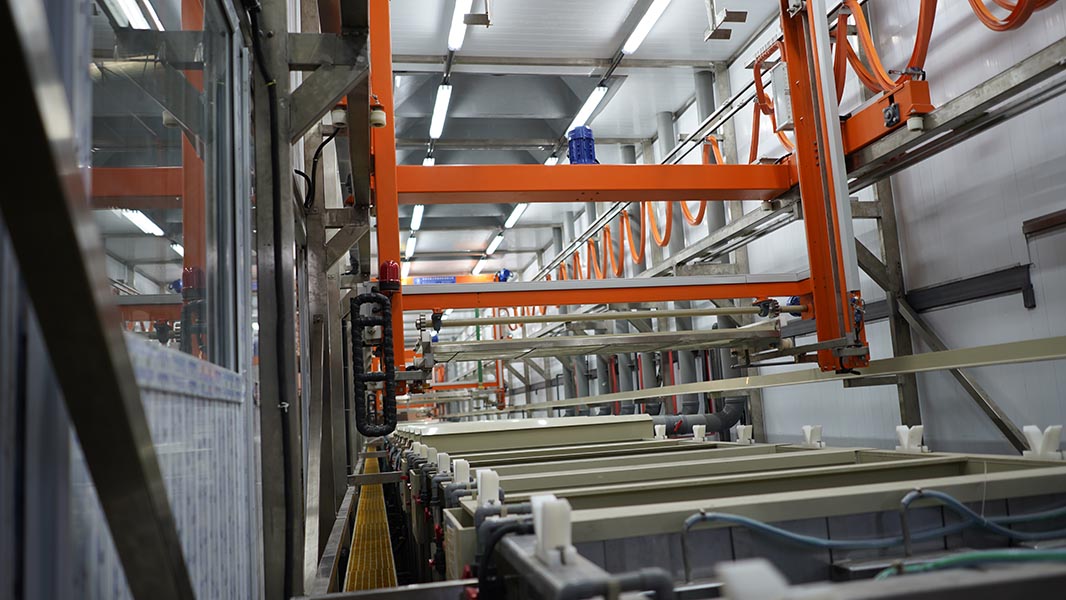
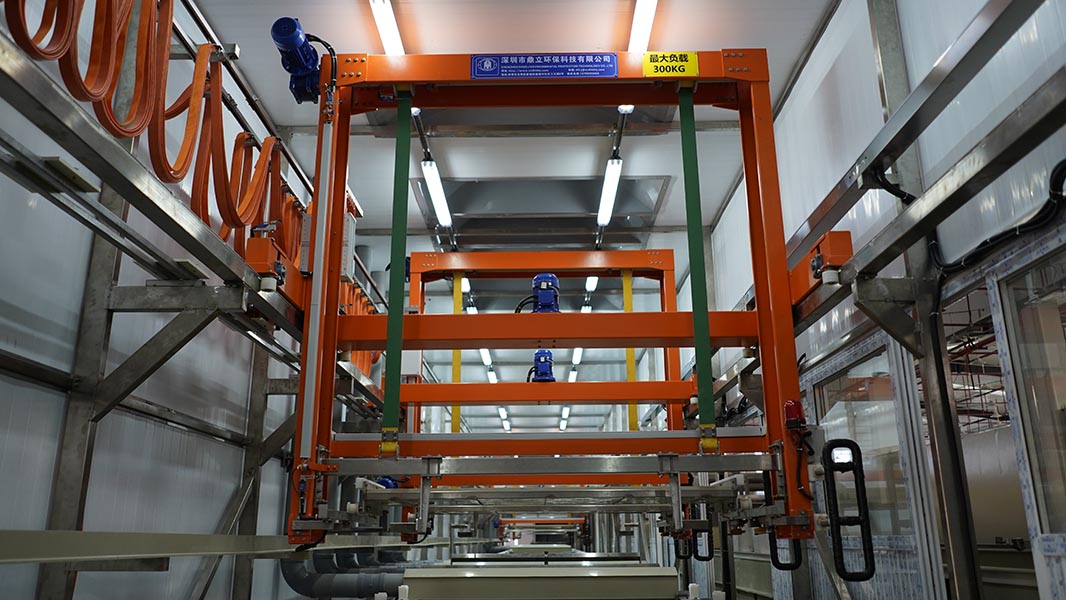
Confronted with the global green transformation in manufacturing and persistently rising energy costs, traditional anodizing production lines, characterized by high energy consumption, have become a critical bottleneck for enterprises seeking to enhance quality and efficiency. The Dingli Technology Energy-Saving Anodizing Production Line is an innovative solution born to break this bottleneck. It is not a simple, partial modification of a standard line but a complete redesign at the system architecture level, creating a comprehensive energy-saving ecosystem that spans every link: "power conversion, process execution, thermal management, and resource recycling." Energy saving begins with the high-efficiency electric power conversion system. The production line standardizes high-frequency switching power supplies, moving away from traditional thyristor rectifiers. The conversion efficiency of these power supplies is generally over 10% higher than conventional models, with lower output ripple and more precise control of current and voltage. This directly reduces power loss and, due to improved power quality, enhances the uniformity and density of the anodic oxide film, achieving "high quality with low consumption" at the source. Concurrently, all high-power drive units on the entire line, such as bath circulation pumps, cooling tower fans, and crane drive motors, are integrated with intelligent variable frequency drive and load-matching technology. The system uses sensors to monitor production load in real-time, automatically adjusting motor speed and output power, thereby completely eliminating energy waste from equipment idling or mismatched capacity. In the realm of thermal management, which accounts for a major portion of energy use, this production line implements groundbreaking integrated design. First, high-efficiency titanium heaters combined with optimized fluid dynamics are used in process tanks requiring heating (e.g., sealing tanks) to improve heat exchange efficiency. More crucially, the system incorporates a proprietary waste heat recovery unit. This unit efficiently captures the substantial waste heat generated during the operation of the anodizing tank and converts it into clean thermal energy. This recovered heat is then used to preheat subsequent rinsing tanks or other heating demands within the workshop, enabling the cascading use of energy. Actual measured data shows that this recovery system can reclaim up to 40% of the heat dissipated from the anodizing tank, dramatically reducing reliance on external steam or electric heating. The conservation of water resources and chemicals is another major highlight. The production line is equipped with an intelligent multi-stage counter-current rinsing system and a membrane-based water treatment and recycling unit. Through precise control of water flow and quality, rinsing water consumption can be reduced by over 60%, while up to 85% of the wastewater is treated and reused as purified water in production, achieving a near-closed-loop water cycle. Furthermore, coupled with a precise online bath composition monitoring and automatic dosing system, it effectively maintains bath stability, reducing the unnecessary consumption of chemicals and the volume of waste liquid for treatment. The intelligent core of the entire production line—the Central Energy Management Platform—unites all energy-saving components. This platform provides a real-time digital dashboard that displays and analyzes key metrics such as instantaneous power consumption, cumulative energy usage, energy-saving efficiency, and carbon emissions for each segment. It not only performs fault预警 but also leverages big data analysis to offer scientific decision-making support for continuously optimizing process parameters and uncovering further energy-saving potential. This transforms energy conservation from a fixed design feature into a sustainable management practice. In summary, the Dingli Technology Energy-Saving Anodizing Production Line represents a future-oriented production model. Through the systematic integration of cutting-edge technologies, it transforms the energy cost center into a source of corporate profit and competitiveness. Investing in such a production line means that an enterprise is not merely purchasing advanced equipment but is adopting a permanent solution for continuously lowering operational costs and improving environmental performance, laying a solid foundation for sustainable development.
Energy saving anodizing production line
Share to WeChat
× The browser's built-in sharing function is also very user-friendly~
Confronted with the global green transformation in manufacturing and persistently rising energy costs, traditional anodizing production lines, characterized by high energy consumption, have become a critical bottleneck for enterprises seeking to enhance quality and efficiency. The Dingli Technology Energy-Saving Anodizing Production Line is an innovative solution born to break this bottleneck. It is not a simple, partial modification of a standard line but a complete redesign at the system architecture level, creating a comprehensive energy-saving ecosystem that spans every link: "power conversion, process execution, thermal management, and resource recycling." Energy saving begins with the high-efficiency electric power conversion system. The production line standardizes high-frequency switching power supplies, moving away from traditional thyristor rectifiers. The conversion efficiency of these power supplies is generally over 10% higher than conventional models, with lower output ripple and more precise control of current and voltage. This directly reduces power loss and, due to improved power quality, enhances the uniformity and density of the anodic oxide film, achieving "high quality with low consumption" at the source. Concurrently, all high-power drive units on the entire line, such as bath circulation pumps, cooling tower fans, and crane drive motors, are integrated with intelligent variable frequency drive and load-matching technology. The system uses sensors to monitor production load in real-time, automatically adjusting motor speed and output power, thereby completely eliminating energy waste from equipment idling or mismatched capacity. In the realm of thermal management, which accounts for a major portion of energy use, this production line implements groundbreaking integrated design. First, high-efficiency titanium heaters combined with optimized fluid dynamics are used in process tanks requiring heating (e.g., sealing tanks) to improve heat exchange efficiency. More crucially, the system incorporates a proprietary waste heat recovery unit. This unit efficiently captures the substantial waste heat generated during the operation of the anodizing tank and converts it into clean thermal energy. This recovered heat is then used to preheat subsequent rinsing tanks or other heating demands within the workshop, enabling the cascading use of energy. Actual measured data shows that this recovery system can reclaim up to 40% of the heat dissipated from the anodizing tank, dramatically reducing reliance on external steam or electric heating. The conservation of water resources and chemicals is another major highlight. The production line is equipped with an intelligent multi-stage counter-current rinsing system and a membrane-based water treatment and recycling unit. Through precise control of water flow and quality, rinsing water consumption can be reduced by over 60%, while up to 85% of the wastewater is treated and reused as purified water in production, achieving a near-closed-loop water cycle. Furthermore, coupled with a precise online bath composition monitoring and automatic dosing system, it effectively maintains bath stability, reducing the unnecessary consumption of chemicals and the volume of waste liquid for treatment. The intelligent core of the entire production line—the Central Energy Management Platform—unites all energy-saving components. This platform provides a real-time digital dashboard that displays and analyzes key metrics such as instantaneous power consumption, cumulative energy usage, energy-saving efficiency, and carbon emissions for each segment. It not only performs fault预警 but also leverages big data analysis to offer scientific decision-making support for continuously optimizing process parameters and uncovering further energy-saving potential. This transforms energy conservation from a fixed design feature into a sustainable management practice. In summary, the Dingli Technology Energy-Saving Anodizing Production Line represents a future-oriented production model. Through the systematic integration of cutting-edge technologies, it transforms the energy cost center into a source of corporate profit and competitiveness. Investing in such a production line means that an enterprise is not merely purchasing advanced equipment but is adopting a permanent solution for continuously lowering operational costs and improving environmental performance, laying a solid foundation for sustainable development.