Share to WeChat
×
 The browser's built-in sharing function is also very user-friendly~
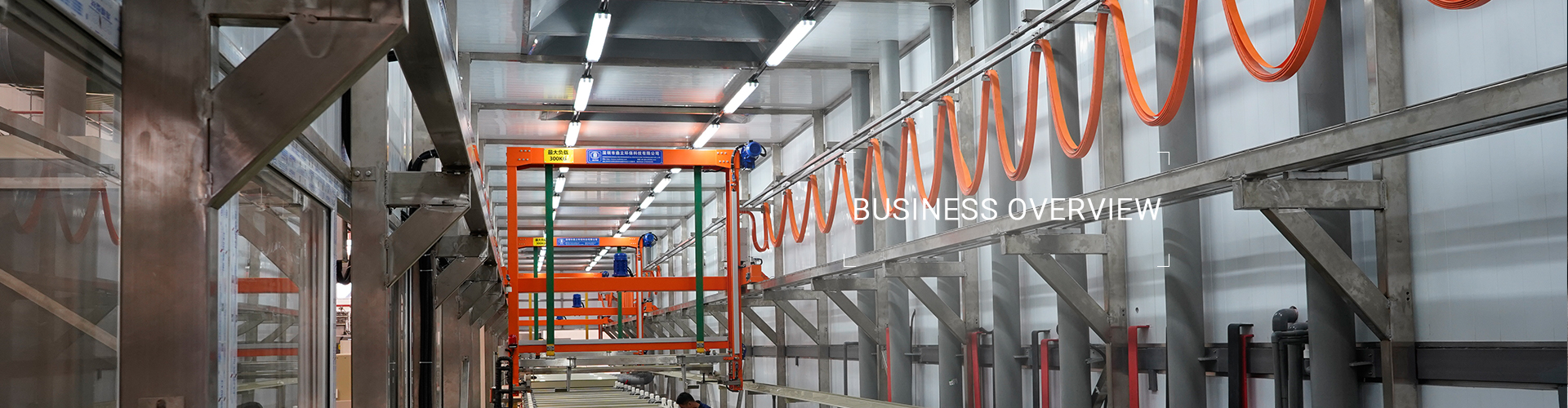
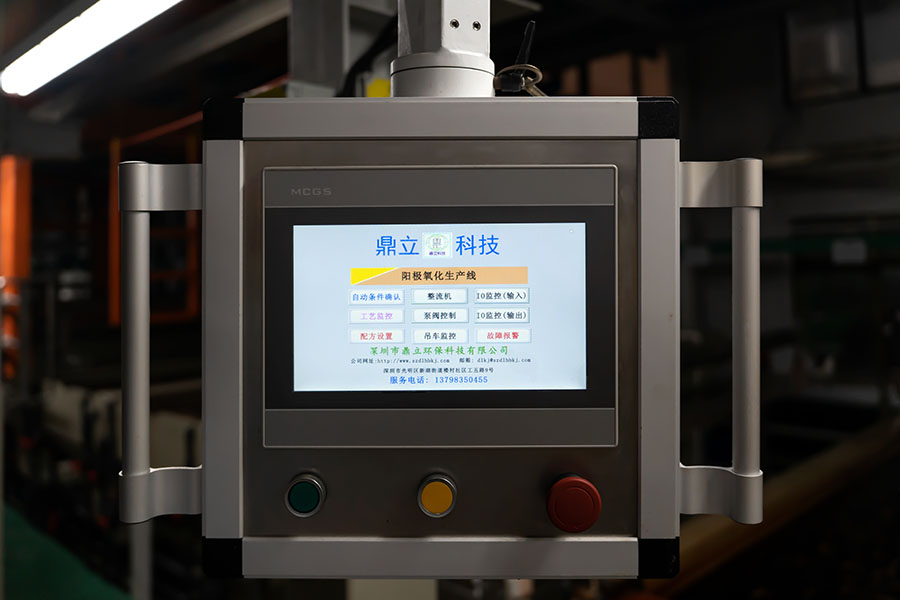
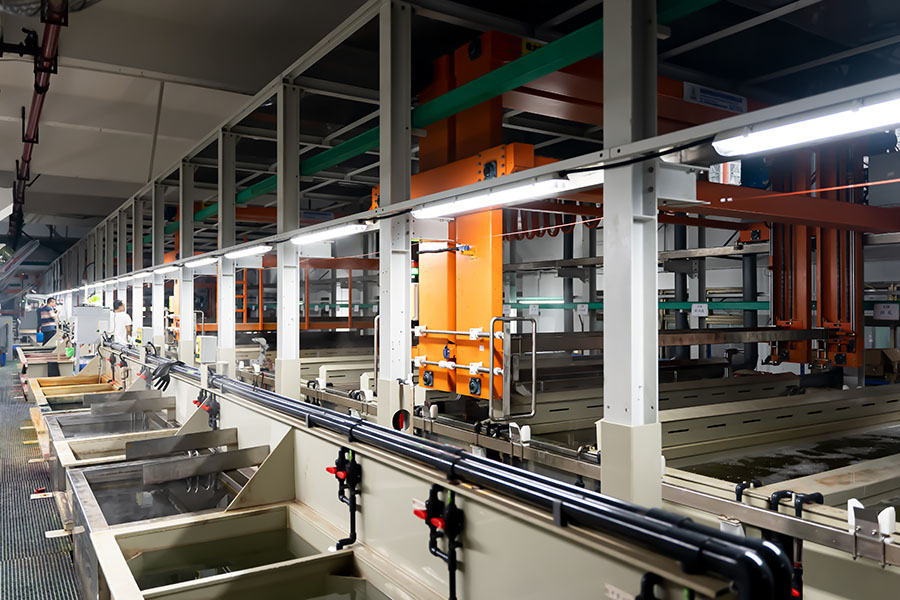
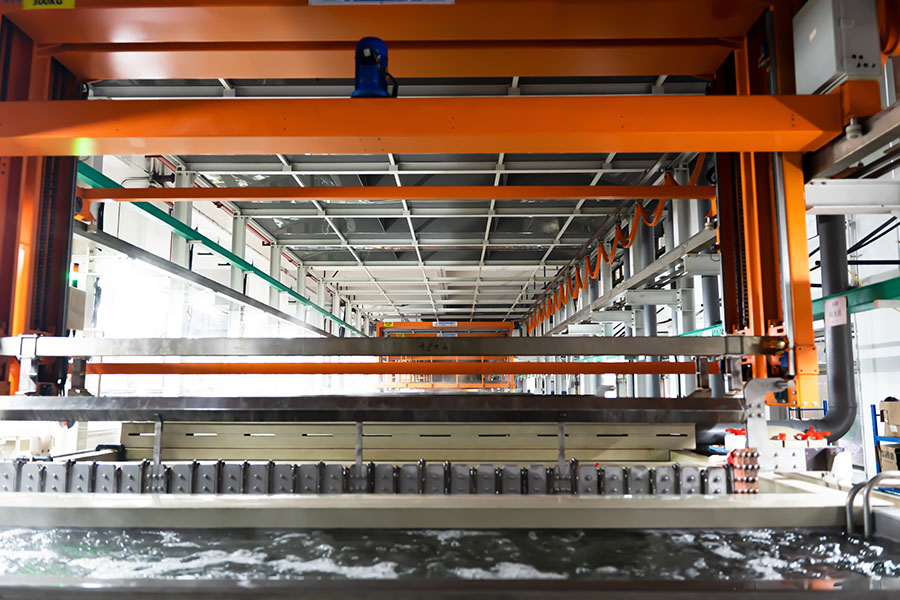
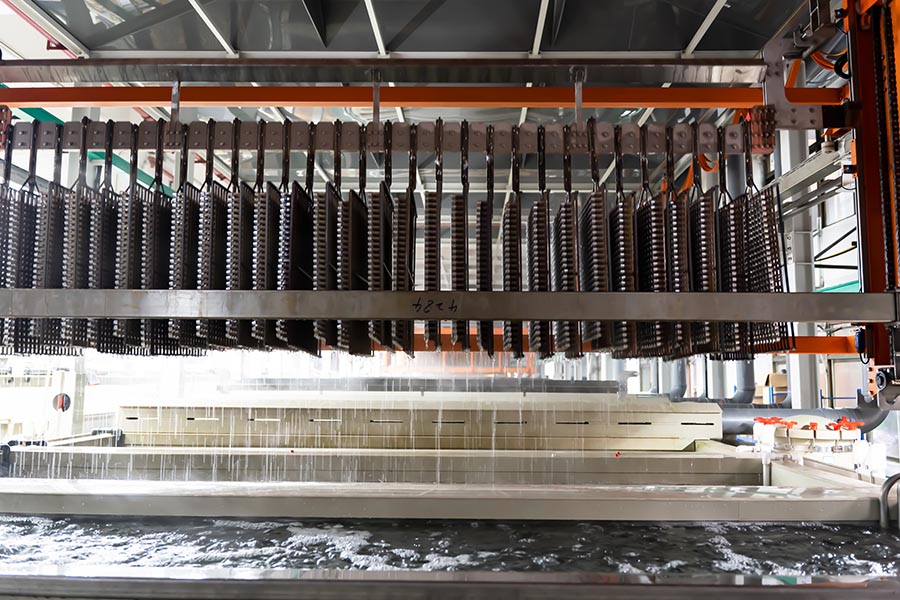
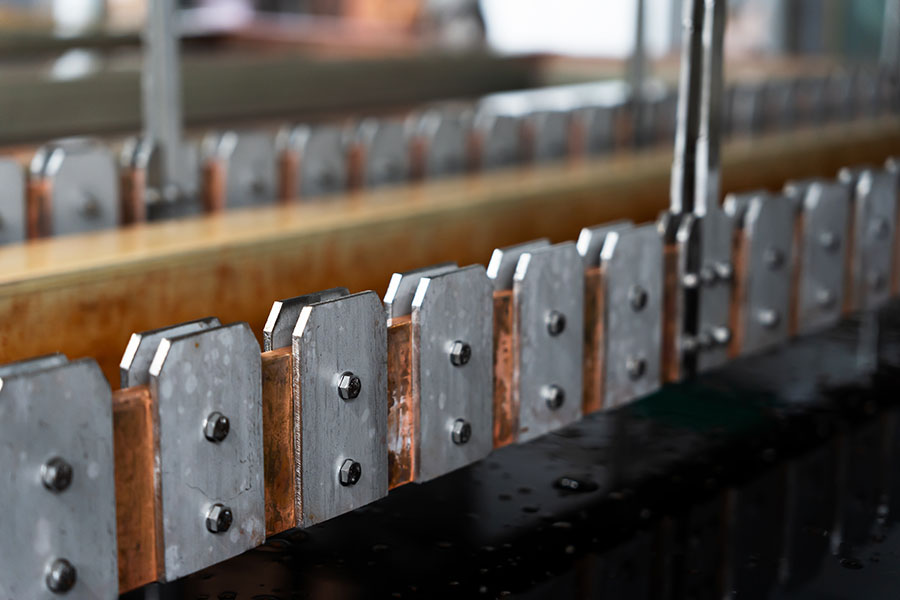
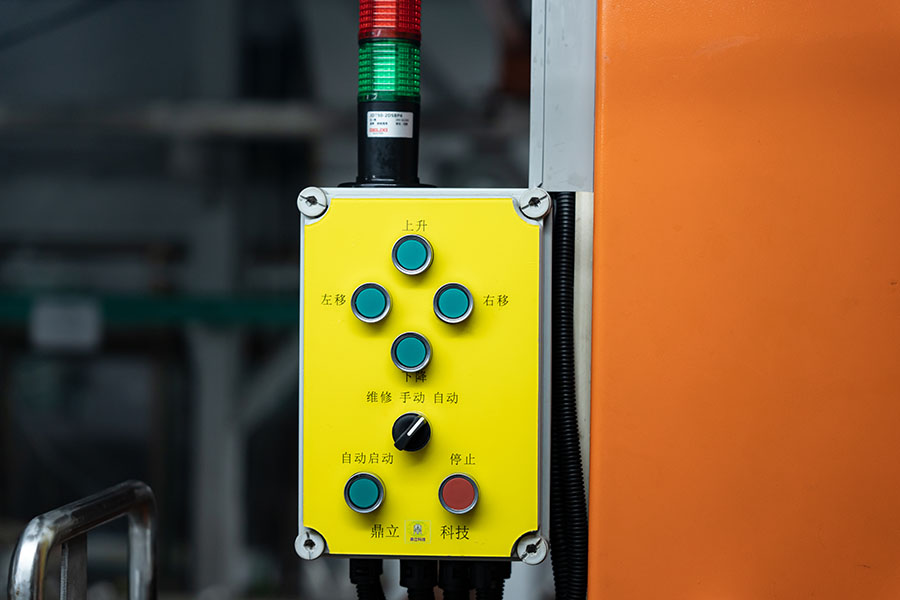
The Dingli Technology Fully Automatic Oxidation Production Line represents the technological forefront of modern surface treatment equipment. It is not merely a simple assembly of individual machines but a highly synergistic and deeply customizable systematic engineering solution. Its core value lies in transforming complex electrochemical processes into stable, controllable, and traceable standardized production workflows, fundamentally addressing the pain points of traditional manual or semi-automatic lines, such as low efficiency, significant quality fluctuations, and high energy consumption and pollution. The intelligent central control system serves as the nerve center of this production line. Utilizing industry-leading PLCs and industrial touchscreens, it integrates proprietary intelligent management software developed for oxidation processes. Operators can call up predefined process recipes for various products with a single click through an intuitive graphical interface. The system automatically controls all critical parameters, including hoist paths, process times for each tank, temperature, and current density. Furthermore, the system features real-time data monitoring, historical trend logging, fault diagnosis alarms, and remote operation and maintenance support, achieving digitization and transparent management of the production process and providing a solid data foundation for process optimization and quality traceability. In the design of its core process units, the production line demonstrates exceptional engineering reliability. Each process tank (e.g., degreasing, etching, neutralization, anodizing, coloring, sealing) is constructed from high-quality PP, PVC, or reinforced composite materials selected according to the chemical media characteristics, ensuring longevity and corrosion resistance. The dedicated hoist lifting and transfer mechanisms operate smoothly and position accurately, equipped with anti-sway and anti-drip devices. For the critical power supply system of the oxidation process, we provide highly stable, low-ripple switch-mode or thyristor rectifiers, coupled with intelligent temperature control and circulation filtration systems, ensuring uniformity and efficiency during oxide film formation. Energy saving and environmental protection are another consistent theme throughout the design. The production line incorporates multiple energy-saving technologies: a heat recovery unit captures waste heat from high-temperature tanks to preheat subsequent stages, significantly reducing steam energy consumption; all pumps and fans employ variable frequency drives for on-demand power output; and the optimized tank layout, drip time design, and counter-current rinsing process enable a water recycling rate of up to 85% or higher. Simultaneously, the production line can seamlessly integrate with our modular exhaust gas collection and purification systems and wastewater treatment and reuse systems, helping clients effortlessly meet increasingly stringent environmental emission standards. Regarding performance and adaptability, this production line can be custom-engineered based on client product characteristics (e.g., profiles, precision parts), capacity requirements (from several to tens of tons per day), and factory conditions. A typical DL-series standard configuration line can achieve film thickness uniformity within ±1.5μm, a stable product qualification rate above 99.5%, and a comprehensive energy consumption reduction of approximately 20-30% compared to the industry average. In summary, what Dingli Technology delivers with the Fully Automatic Oxidation Production Line is not merely a set of equipment but a complete productivity enhancement solution encompassing process support, continuous optimization, and after-sales guarantees. By providing technological empowerment, it assists clients in making the leap from "experience-driven" to "process-data-driven" production, serving as a crucial cornerstone for enterprises to build a moat of quality and achieve sustainable development in the market competition.
Fully automatic oxidation production line
Share to WeChat
× The browser's built-in sharing function is also very user-friendly~
The Dingli Technology Fully Automatic Oxidation Production Line represents the technological forefront of modern surface treatment equipment. It is not merely a simple assembly of individual machines but a highly synergistic and deeply customizable systematic engineering solution. Its core value lies in transforming complex electrochemical processes into stable, controllable, and traceable standardized production workflows, fundamentally addressing the pain points of traditional manual or semi-automatic lines, such as low efficiency, significant quality fluctuations, and high energy consumption and pollution. The intelligent central control system serves as the nerve center of this production line. Utilizing industry-leading PLCs and industrial touchscreens, it integrates proprietary intelligent management software developed for oxidation processes. Operators can call up predefined process recipes for various products with a single click through an intuitive graphical interface. The system automatically controls all critical parameters, including hoist paths, process times for each tank, temperature, and current density. Furthermore, the system features real-time data monitoring, historical trend logging, fault diagnosis alarms, and remote operation and maintenance support, achieving digitization and transparent management of the production process and providing a solid data foundation for process optimization and quality traceability. In the design of its core process units, the production line demonstrates exceptional engineering reliability. Each process tank (e.g., degreasing, etching, neutralization, anodizing, coloring, sealing) is constructed from high-quality PP, PVC, or reinforced composite materials selected according to the chemical media characteristics, ensuring longevity and corrosion resistance. The dedicated hoist lifting and transfer mechanisms operate smoothly and position accurately, equipped with anti-sway and anti-drip devices. For the critical power supply system of the oxidation process, we provide highly stable, low-ripple switch-mode or thyristor rectifiers, coupled with intelligent temperature control and circulation filtration systems, ensuring uniformity and efficiency during oxide film formation. Energy saving and environmental protection are another consistent theme throughout the design. The production line incorporates multiple energy-saving technologies: a heat recovery unit captures waste heat from high-temperature tanks to preheat subsequent stages, significantly reducing steam energy consumption; all pumps and fans employ variable frequency drives for on-demand power output; and the optimized tank layout, drip time design, and counter-current rinsing process enable a water recycling rate of up to 85% or higher. Simultaneously, the production line can seamlessly integrate with our modular exhaust gas collection and purification systems and wastewater treatment and reuse systems, helping clients effortlessly meet increasingly stringent environmental emission standards. Regarding performance and adaptability, this production line can be custom-engineered based on client product characteristics (e.g., profiles, precision parts), capacity requirements (from several to tens of tons per day), and factory conditions. A typical DL-series standard configuration line can achieve film thickness uniformity within ±1.5μm, a stable product qualification rate above 99.5%, and a comprehensive energy consumption reduction of approximately 20-30% compared to the industry average. In summary, what Dingli Technology delivers with the Fully Automatic Oxidation Production Line is not merely a set of equipment but a complete productivity enhancement solution encompassing process support, continuous optimization, and after-sales guarantees. By providing technological empowerment, it assists clients in making the leap from "experience-driven" to "process-data-driven" production, serving as a crucial cornerstone for enterprises to build a moat of quality and achieve sustainable development in the market competition.