Share to WeChat
×
 The browser's built-in sharing function is also very user-friendly~
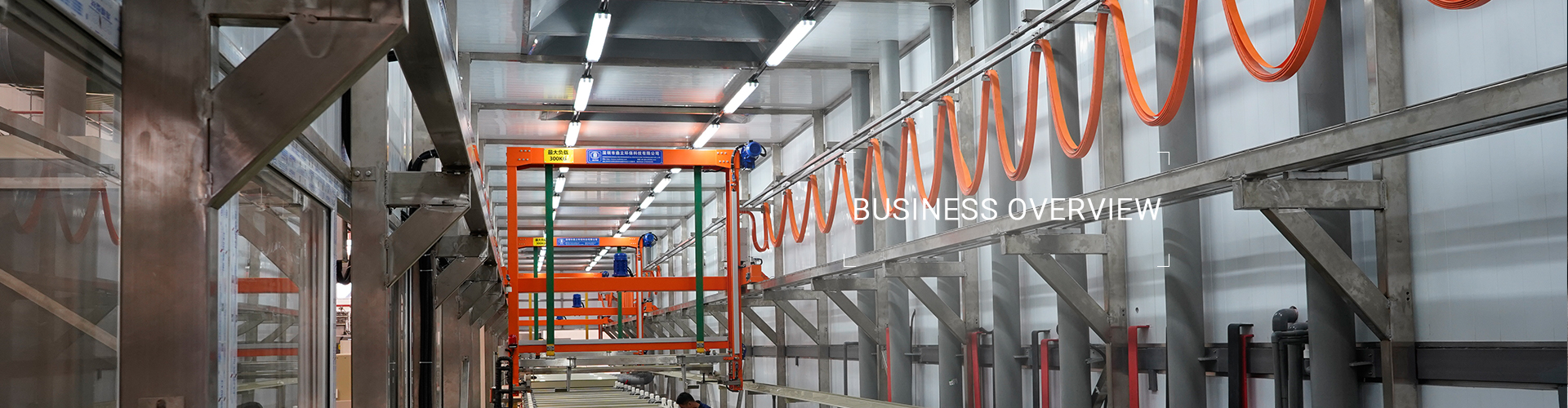
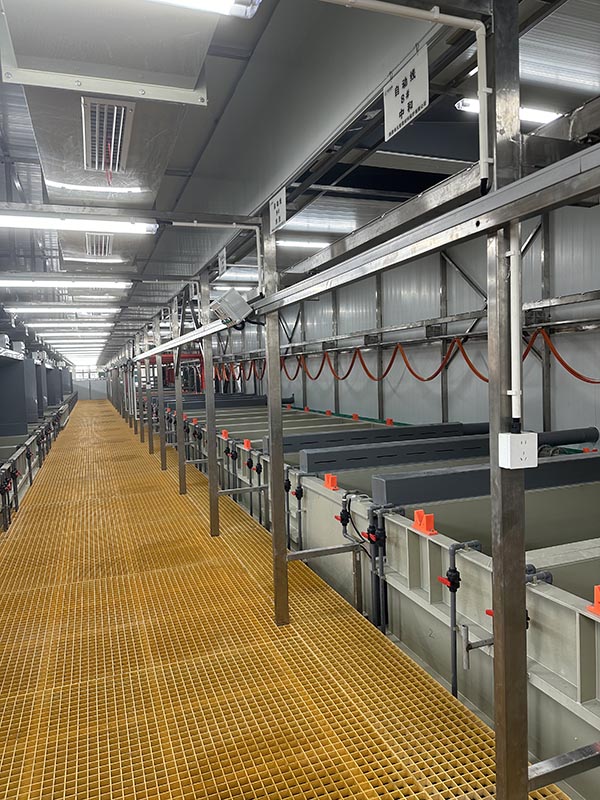
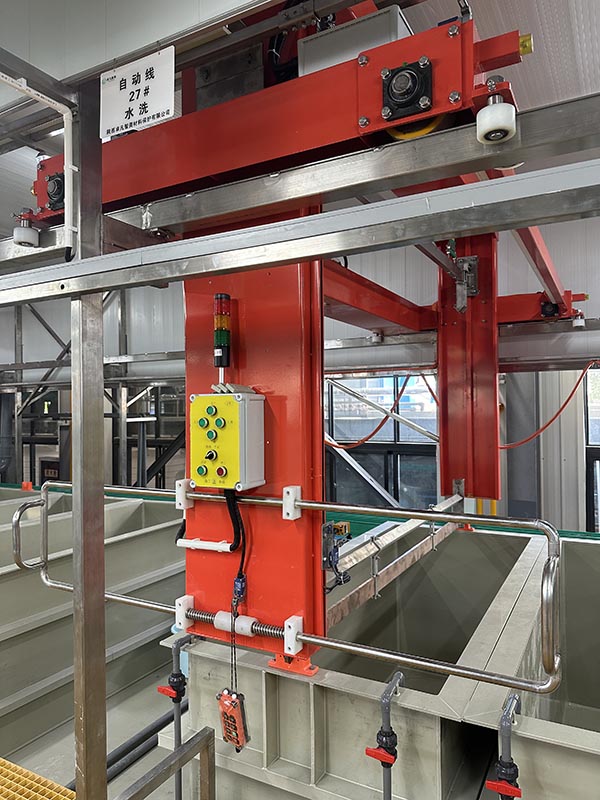
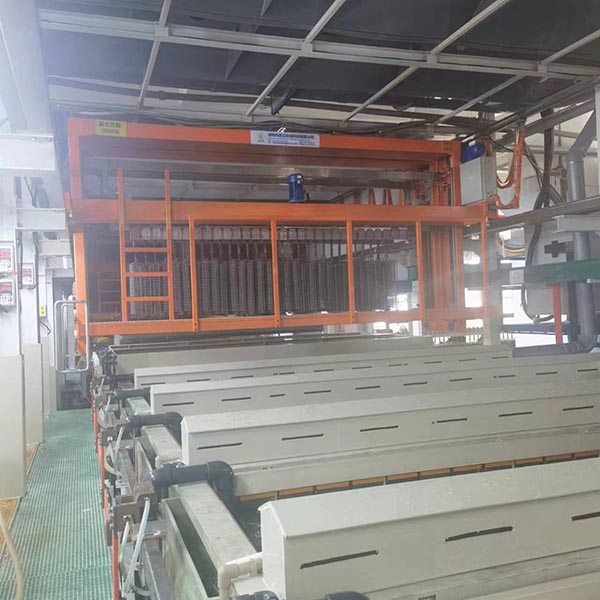
Titanium alloys have become critical materials in advanced manufacturing due to their excellent strength, corrosion resistance, and biocompatibility. However, the self-passivating nature of their dense surface oxide layer also makes obtaining functional or decorative coatings via electrochemical methods highly challenging. The design of the Dingli Technology Titanium Alloy Specific Oxidation Production Line is precisely based on a profound understanding of these material properties. It transforms complex electrochemical processes into stable, controllable industrial procedures. The core of the production line is its specialized electrochemical system adapted to titanium processes. Unlike aluminum alloy oxidation, colored anodizing of titanium alloys requires much higher voltages (up to hundreds of volts) and imposes stringent requirements on voltage ramp rates, steady-state precision, and shutdown waveforms. The high-precision multi-waveform pulse power supply equipped in this line can output stable DC, pulse, or custom waveforms, with voltage control accuracy reaching ±0.5%. This ensures color reproducibility and uniformity of the interference film generated on the titanium surface. For thicker functional ceramic coatings, the system can switch to micro-arc oxidation (plasma electrolytic oxidation) mode, providing voltages up to kilovolts and high-frequency pulses to meet the preparation needs for wear-resistant, corrosion-resistant, insulating, or bioactive coatings. Specialized medium management and environmental control form another cornerstone for ensuring process success. Titanium alloy oxidation typically employs specific electrolyte systems such as phosphates or silicates, where concentration, temperature, and purity significantly impact the results. The production line features fully enclosed tank and pipeline designs, constructed from materials resistant to corrosion by the specific chemical media. The integrated high-precision multi-point temperature control and circulation filtration systems ensure bath temperature variations of less than ±1°C and the absence of suspended particles. To handle the gases and particles generated during micro-arc oxidation, the system is equipped with powerful exhaust gas treatment and medium filtration and recovery units, maintaining a stable process environment. In terms of automation and process management, the production line is optimized considering the high value and process sensitivity of titanium alloy workpieces. The automatic hoist system operates with exceptional smoothness and incorporates anti-vibration design to prevent workpiece impacts. The central control system comes pre-loaded with a comprehensive process database for different titanium materials (e.g., pure titanium, TC4, Ti6Al4V) and various targets (such as gold, blue, black colors or specific coating thicknesses), allowing for one-click process selection. The entire process, including voltage, current, temperature, oxidation time, and color growth curves, is fully recorded and monitored in a closed loop, guaranteeing absolute traceability and repeatability for every batch. Furthermore, the production line design thoroughly considers safety and maintenance convenience. High-voltage areas are protected by multiple electrical isolation and interlock safeguards, and the electrolyte system is equipped with safety leak collection devices. The modular design facilitates efficient maintenance and upgrades of core units like power supplies and temperature controllers, maximizing the user's production continuity. In summary, the Dingli Technology Titanium Alloy Specific Oxidation Production Line not only fills the capability gap of general-purpose equipment in processing titanium materials but also translates cutting-edge titanium surface treatment technology into practical tools for scalable production. It provides customers with a solid and reliable manufacturing foundation for achieving differentiated color aesthetics, durable functional protection, and even innovative surface properties on high-end titanium alloy products. It is an essential tool for entering the high-value-added titanium alloy products market.
Titanium alloy dedicated oxidation production line
Share to WeChat
× The browser's built-in sharing function is also very user-friendly~
Titanium alloys have become critical materials in advanced manufacturing due to their excellent strength, corrosion resistance, and biocompatibility. However, the self-passivating nature of their dense surface oxide layer also makes obtaining functional or decorative coatings via electrochemical methods highly challenging. The design of the Dingli Technology Titanium Alloy Specific Oxidation Production Line is precisely based on a profound understanding of these material properties. It transforms complex electrochemical processes into stable, controllable industrial procedures. The core of the production line is its specialized electrochemical system adapted to titanium processes. Unlike aluminum alloy oxidation, colored anodizing of titanium alloys requires much higher voltages (up to hundreds of volts) and imposes stringent requirements on voltage ramp rates, steady-state precision, and shutdown waveforms. The high-precision multi-waveform pulse power supply equipped in this line can output stable DC, pulse, or custom waveforms, with voltage control accuracy reaching ±0.5%. This ensures color reproducibility and uniformity of the interference film generated on the titanium surface. For thicker functional ceramic coatings, the system can switch to micro-arc oxidation (plasma electrolytic oxidation) mode, providing voltages up to kilovolts and high-frequency pulses to meet the preparation needs for wear-resistant, corrosion-resistant, insulating, or bioactive coatings. Specialized medium management and environmental control form another cornerstone for ensuring process success. Titanium alloy oxidation typically employs specific electrolyte systems such as phosphates or silicates, where concentration, temperature, and purity significantly impact the results. The production line features fully enclosed tank and pipeline designs, constructed from materials resistant to corrosion by the specific chemical media. The integrated high-precision multi-point temperature control and circulation filtration systems ensure bath temperature variations of less than ±1°C and the absence of suspended particles. To handle the gases and particles generated during micro-arc oxidation, the system is equipped with powerful exhaust gas treatment and medium filtration and recovery units, maintaining a stable process environment. In terms of automation and process management, the production line is optimized considering the high value and process sensitivity of titanium alloy workpieces. The automatic hoist system operates with exceptional smoothness and incorporates anti-vibration design to prevent workpiece impacts. The central control system comes pre-loaded with a comprehensive process database for different titanium materials (e.g., pure titanium, TC4, Ti6Al4V) and various targets (such as gold, blue, black colors or specific coating thicknesses), allowing for one-click process selection. The entire process, including voltage, current, temperature, oxidation time, and color growth curves, is fully recorded and monitored in a closed loop, guaranteeing absolute traceability and repeatability for every batch. Furthermore, the production line design thoroughly considers safety and maintenance convenience. High-voltage areas are protected by multiple electrical isolation and interlock safeguards, and the electrolyte system is equipped with safety leak collection devices. The modular design facilitates efficient maintenance and upgrades of core units like power supplies and temperature controllers, maximizing the user's production continuity. In summary, the Dingli Technology Titanium Alloy Specific Oxidation Production Line not only fills the capability gap of general-purpose equipment in processing titanium materials but also translates cutting-edge titanium surface treatment technology into practical tools for scalable production. It provides customers with a solid and reliable manufacturing foundation for achieving differentiated color aesthetics, durable functional protection, and even innovative surface properties on high-end titanium alloy products. It is an essential tool for entering the high-value-added titanium alloy products market.