Share to WeChat
×
 The browser's built-in sharing function is also very user-friendly~
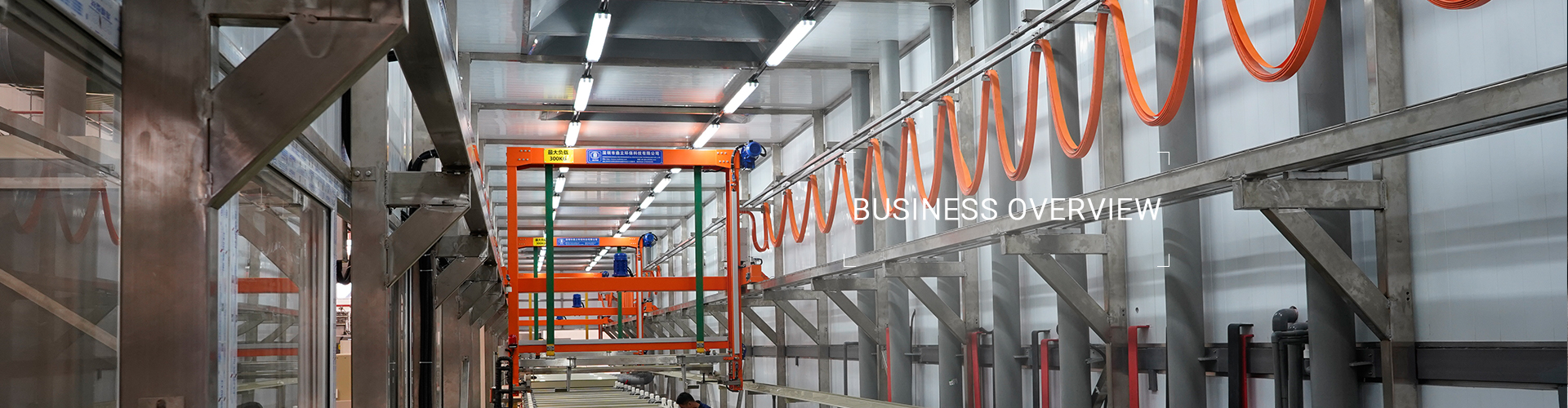
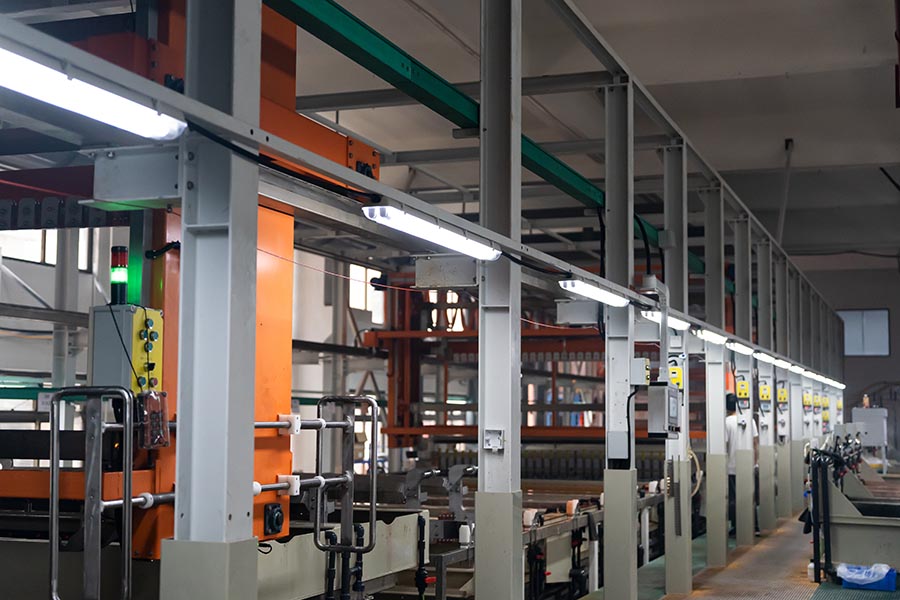
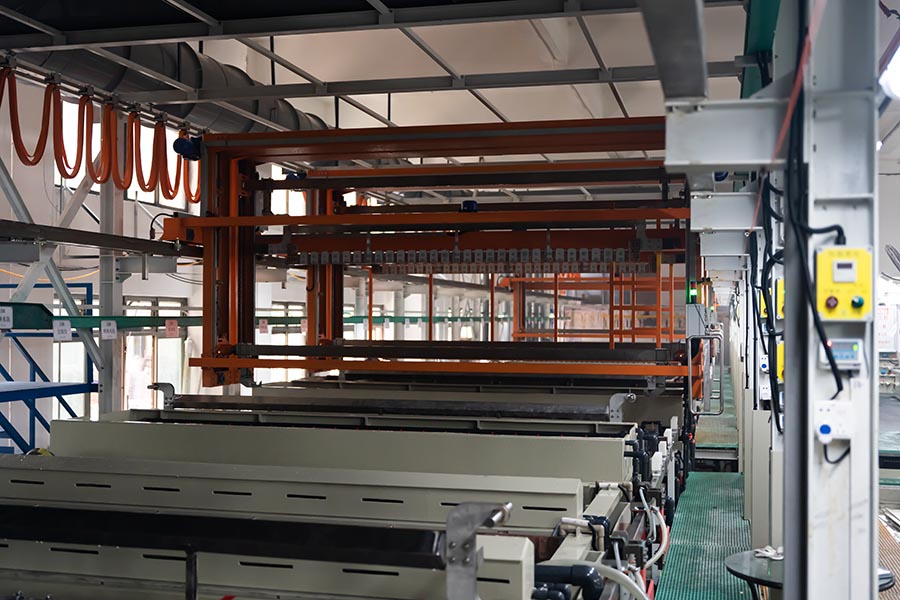
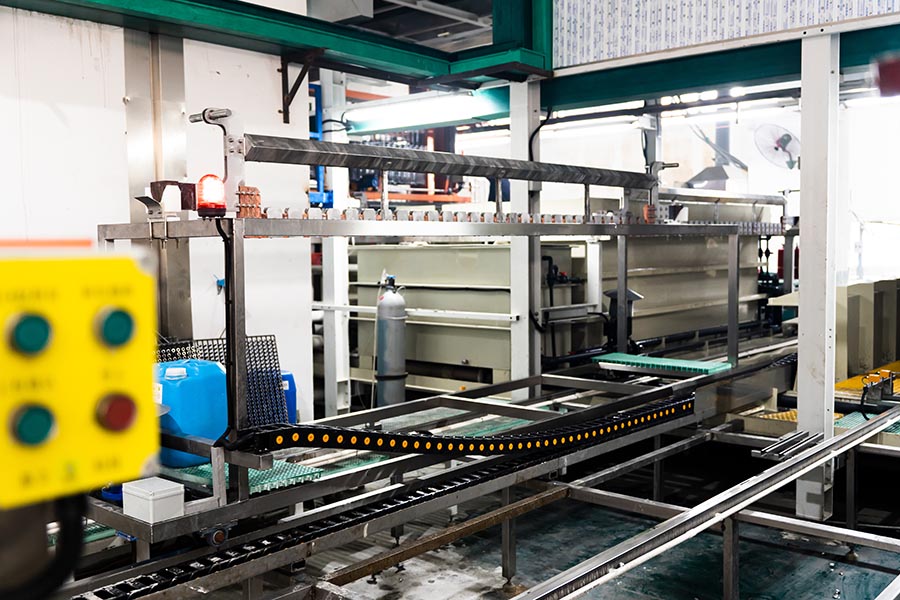
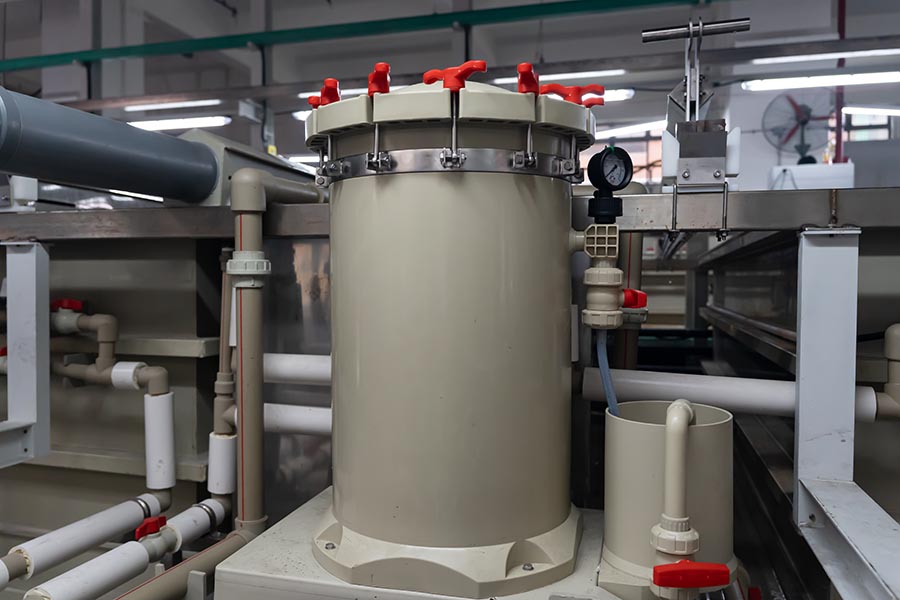
Amid market trends of consumption upgrading and personalized customization, color has become a core element of product value and brand identity. However, achieving stable, uniform, and highly saturated electrolytic coloring for precision aluminum alloy workpieces with complex structures, small sizes, or special materials has long been a recognized technical challenge in the industry. The Dingli Technology Precision Component Coloring Anodizing Line is a systematic solution developed to overcome these challenges. It deeply integrates color science, fine chemistry, and automation control, transforming the coloring process from an “empirical craft” into a quantifiable and traceable “precision science.” The foundation of the line lies in its superior color generation and stabilization system. At its heart are a series of independent high-precision constant-temperature coloring tanks. Each tank is equipped with a circulation and filtration unit featuring micron-level filter cartridges and a direct heating/cooling titanium coil temperature control system. This ensures the bath remains free of suspended particles and confines temperature fluctuations within an extremely narrow range of ±0.5°C, providing the physical basis for eliminating color differences and guaranteeing batch-to-batch consistency. More critically, we have introduced an online spectrophotometer and closed-loop feedback control unit. This system monitors the concentration of metal ions and the state of complexing agents in the coloring bath in real time. It then automatically makes fine adjustments to replenishments via an algorithmic model, maintaining bath chemistry within the optimal process window. This fundamentally prevents color drift caused by bath aging. In terms of process control and intelligence, this production line represents a revolutionary breakthrough. The central control system houses a powerful color database. It can directly accept input of standard color codes or L*a*b* values read from a physical sample by a spectrophotometer, then automatically matches and generates the optimal coloring curve detailing current, voltage, and time parameters. The fully automatic overhead crane is fitted with anti-collision laser sensors and gentle gripping mechanisms, ensuring zero damage to precision components during transfer and immersion. The line’s unique “dual-cathode pulse coloring power supply” delivers exceptionally smooth micro-currents. Combined with special waveform output, it effectively improves coloring uniformity within deep holes and narrow gaps of complex workpieces and enables a broader, more vibrant color gamut. Addressing the quality requirements of high-end products, the line additionally integrates a cleanroom-grade post-treatment and quality inspection unit. After coloring, components enter an enclosed channel filled with clean air for ultrapure water rinsing and low-temperature drying, preventing water spots and secondary contamination. An integrated online visual inspection system at the final stage rapidly scans workpieces for color uniformity, compares them against standard samples, and automatically sorts out items exceeding color tolerance limits. Simultaneously, all process parameters, bath analysis data, and color inspection results are automatically recorded into the MES system, forming a complete “color passport” that enables full-process color traceability from order to finished product.
Precision parts coloring and oxidation line
Share to WeChat
× The browser's built-in sharing function is also very user-friendly~
Amid market trends of consumption upgrading and personalized customization, color has become a core element of product value and brand identity. However, achieving stable, uniform, and highly saturated electrolytic coloring for precision aluminum alloy workpieces with complex structures, small sizes, or special materials has long been a recognized technical challenge in the industry. The Dingli Technology Precision Component Coloring Anodizing Line is a systematic solution developed to overcome these challenges. It deeply integrates color science, fine chemistry, and automation control, transforming the coloring process from an “empirical craft” into a quantifiable and traceable “precision science.” The foundation of the line lies in its superior color generation and stabilization system. At its heart are a series of independent high-precision constant-temperature coloring tanks. Each tank is equipped with a circulation and filtration unit featuring micron-level filter cartridges and a direct heating/cooling titanium coil temperature control system. This ensures the bath remains free of suspended particles and confines temperature fluctuations within an extremely narrow range of ±0.5°C, providing the physical basis for eliminating color differences and guaranteeing batch-to-batch consistency. More critically, we have introduced an online spectrophotometer and closed-loop feedback control unit. This system monitors the concentration of metal ions and the state of complexing agents in the coloring bath in real time. It then automatically makes fine adjustments to replenishments via an algorithmic model, maintaining bath chemistry within the optimal process window. This fundamentally prevents color drift caused by bath aging. In terms of process control and intelligence, this production line represents a revolutionary breakthrough. The central control system houses a powerful color database. It can directly accept input of standard color codes or L*a*b* values read from a physical sample by a spectrophotometer, then automatically matches and generates the optimal coloring curve detailing current, voltage, and time parameters. The fully automatic overhead crane is fitted with anti-collision laser sensors and gentle gripping mechanisms, ensuring zero damage to precision components during transfer and immersion. The line’s unique “dual-cathode pulse coloring power supply” delivers exceptionally smooth micro-currents. Combined with special waveform output, it effectively improves coloring uniformity within deep holes and narrow gaps of complex workpieces and enables a broader, more vibrant color gamut. Addressing the quality requirements of high-end products, the line additionally integrates a cleanroom-grade post-treatment and quality inspection unit. After coloring, components enter an enclosed channel filled with clean air for ultrapure water rinsing and low-temperature drying, preventing water spots and secondary contamination. An integrated online visual inspection system at the final stage rapidly scans workpieces for color uniformity, compares them against standard samples, and automatically sorts out items exceeding color tolerance limits. Simultaneously, all process parameters, bath analysis data, and color inspection results are automatically recorded into the MES system, forming a complete “color passport” that enables full-process color traceability from order to finished product.