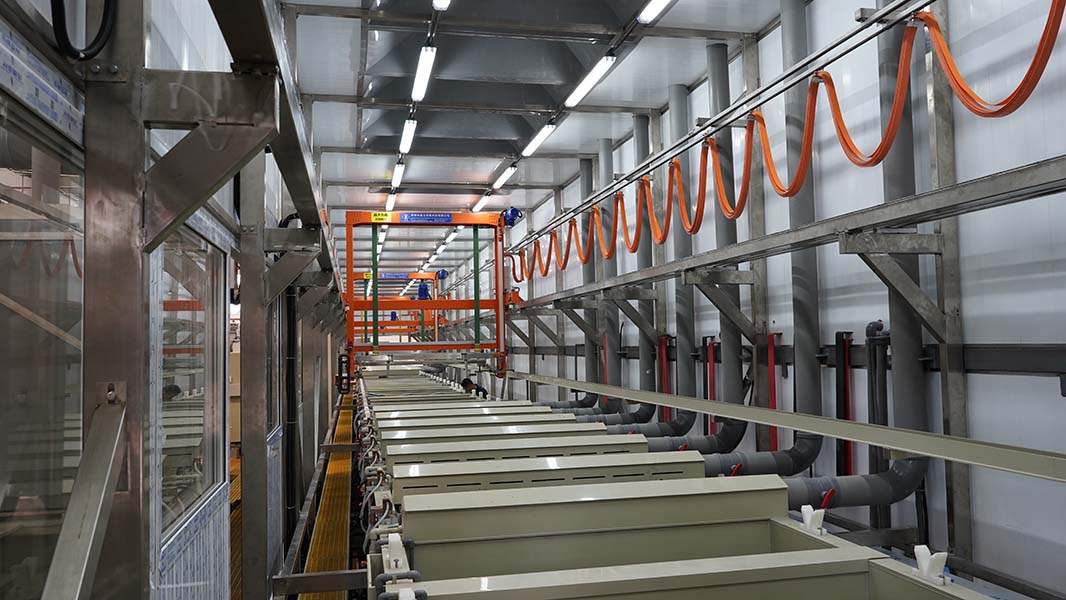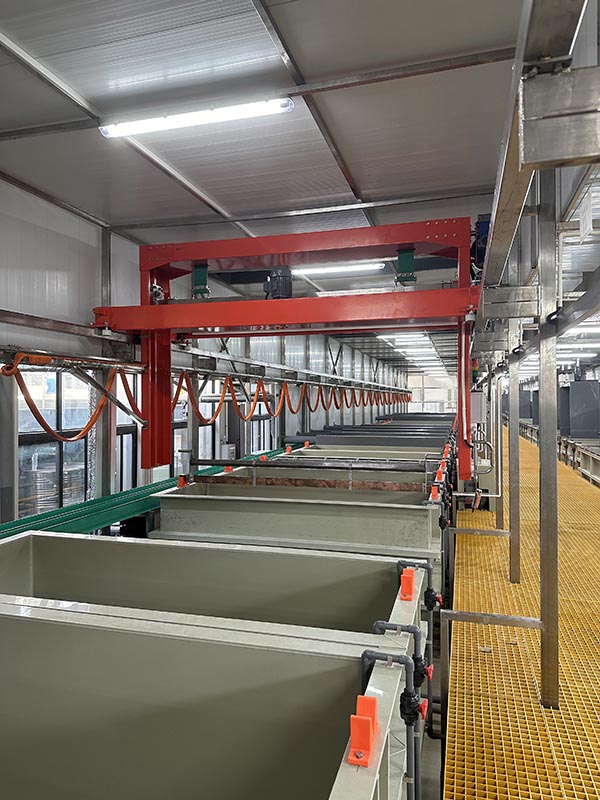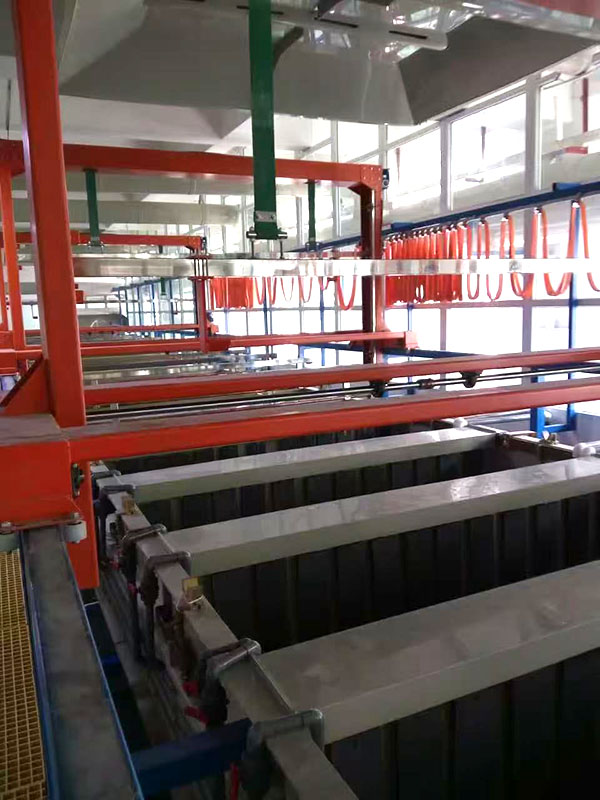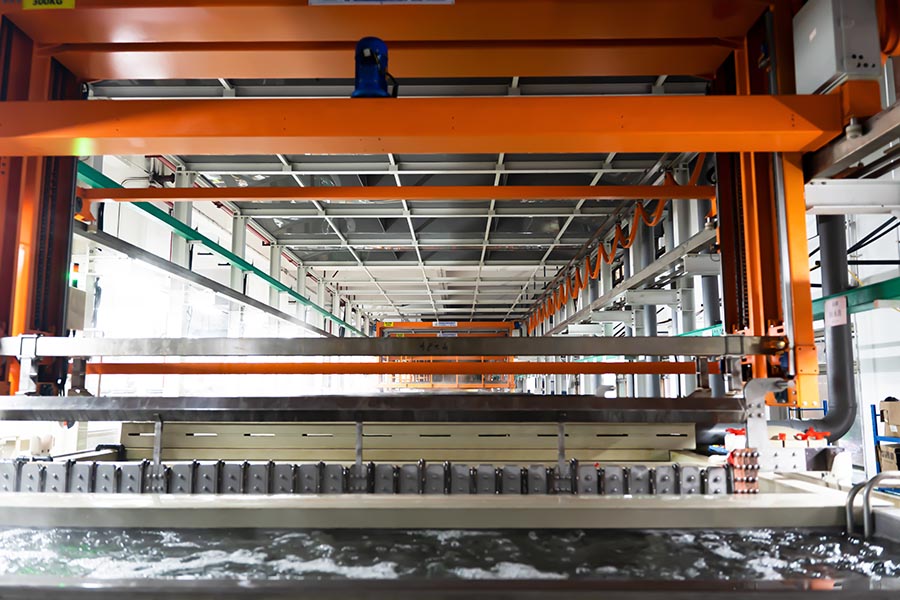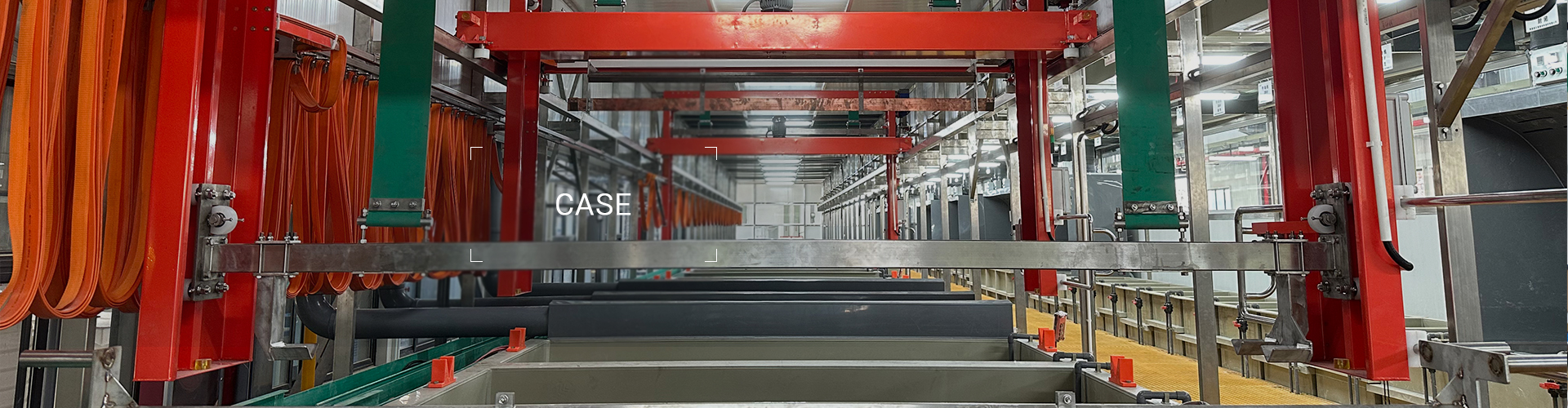
Shenzhen Intelligent Environmental Protection Electroplating Demonstration Line Case
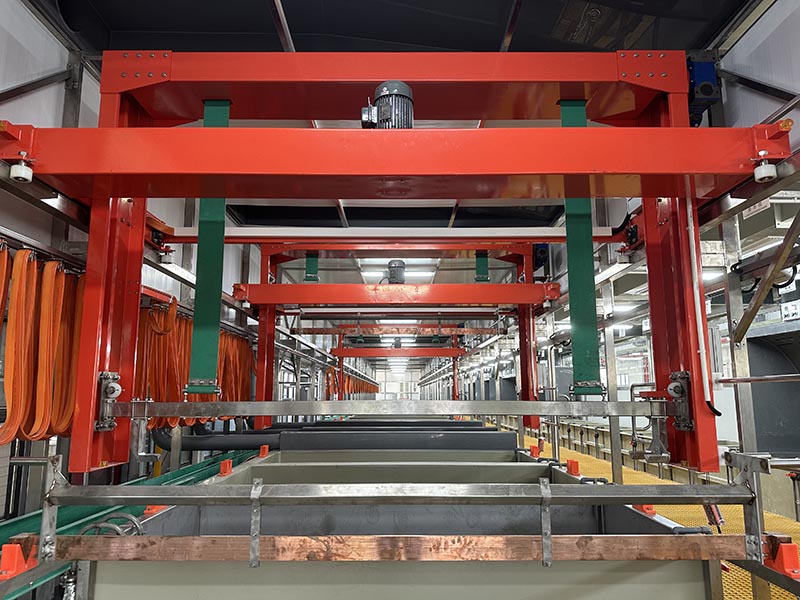
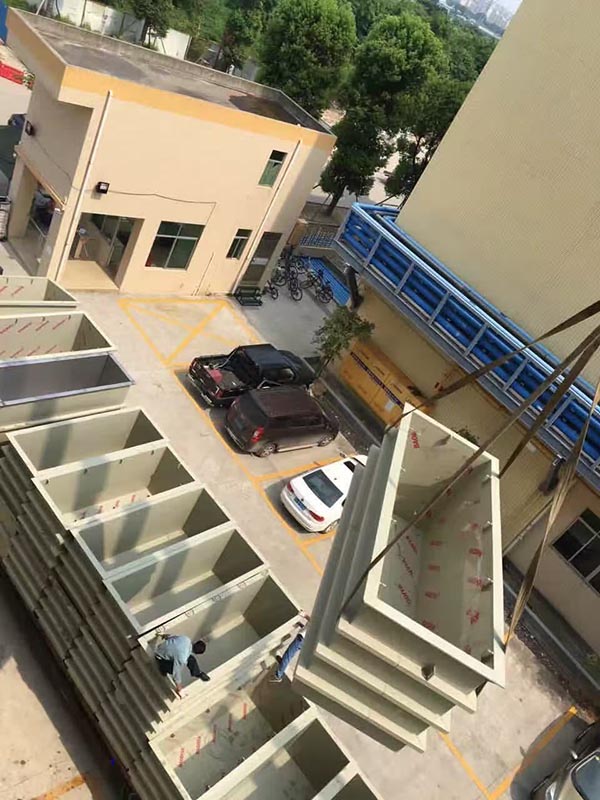
In Shenzhen, a city renowned for innovation-driven development, the mandate for manufacturing upgrading has evolved from “automation” to “intelligence and sustainability.” A leading local enterprise supplying critical components for consumer electronics and communication equipment faced stringent carbon footprint requirements from clients, resource and environmental constraints in Shenzhen, and its own pursuit of ultimate production efficiency. The traditional electroplating workshop model could no longer meet these comprehensive goals. The company aimed to build a demonstration line not only for its own use but also to showcase future possibilities for the industry—a vision that aligned perfectly with Dingli Technology’s philosophy of driving industry change through technological innovation.
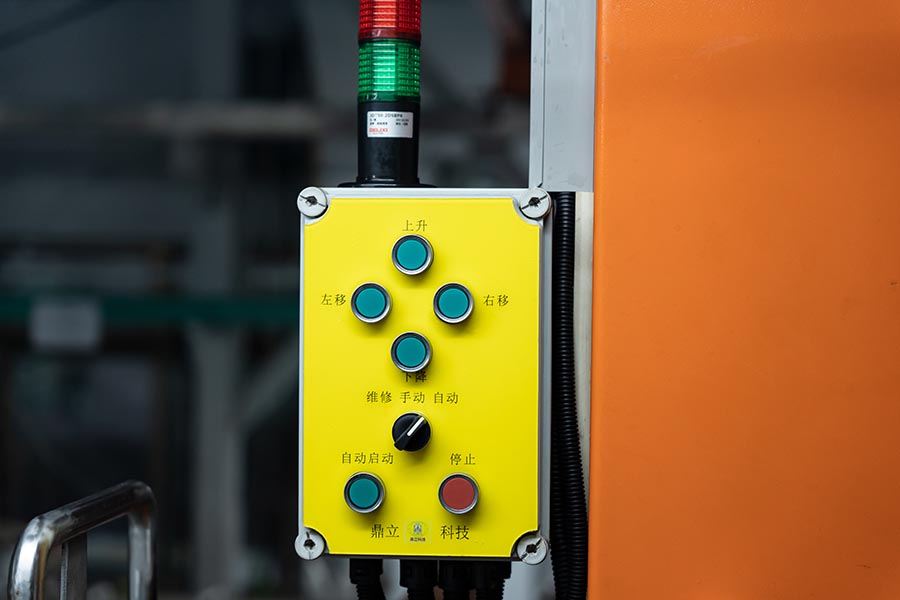
The core breakthrough of this demonstration line lies in constructing a “production brain” with sensing, analytical, and decision-making capabilities. Hundreds of sensors are deployed throughout the line, collecting real-time, multi-dimensional data on current, voltage, temperature, concentration, flow rates, and energy consumption. This data feeds not just into dashboards but into an upper-layer AI analytics platform. Using machine learning models, the platform dynamically analyzes process status, predicts trends in bath chemistry, diagnoses potential equipment faults, and automatically optimizes hoist scheduling logic and energy allocation strategies. For instance, the system can calculate the most energy-efficient production schedule based on the real-time order queue or, by analyzing historical data, terminate the plating process seconds early once the target thickness is statistically achieved, reducing unnecessary consumption of energy and materials while guaranteeing quality.
On the environmental front, the project represents a paradigm shift from “end-of-pipe treatment” to “process reduction and resource cycling.” The production line features a fully enclosed medium circulation design. Plated workpieces first enter intelligent rinsing units equipped with online membrane separation systems. The rinse water is purified and directly reused, while the concentrated metal stream is extracted and returned to the plating tank, achieving “self-balancing” of bath chemistry and “near-zero discharge” of rinse water. For the main energy-consuming processes—heating and cooling—the system employs algorithms to integrate waste heat and coolness from chillers, air compressors, rectifiers, and the workshop, creating an internal microgrid that maximizes energy utilization.
As a “demonstration line,” it plays a vital role in industry empowerment and knowledge dissemination. The entire line is equipped with a comprehensive digital twin system, allowing visitors or partners to explore the process principles, equipment layout, and environmental technologies in a fully immersive virtual environment. The vast amount of anonymized operational data and optimization algorithm models accumulated also provide invaluable first-hand resources for industry process research, new material validation, and efficiency evaluation of new environmental technologies. The successful operation of this project has attracted visits from numerous renowned domestic and international companies and research institutions, effectively promoting the diffusion of advanced technologies and management concepts throughout the supply chain.
In summary, the value of the Shenzhen Intelligent and Environmentally Friendly Electroplating Demonstration Line project extends far beyond the production line itself. It is a successful practice by Dingli Technology in deeply integrating intelligent manufacturing with green technology. It provides a clear, complete, and replicable technological blueprint and operational model for how this traditional foundational process can achieve high-tech, high-value-added, and sustainable development within a metropolis facing stringent resource and environmental constraints.
Share to WeChat
×
 The browser's built-in sharing function is also very user-friendly~