Jiangxi Fully Automatic Aluminum Profile Oxidation Production Line Project
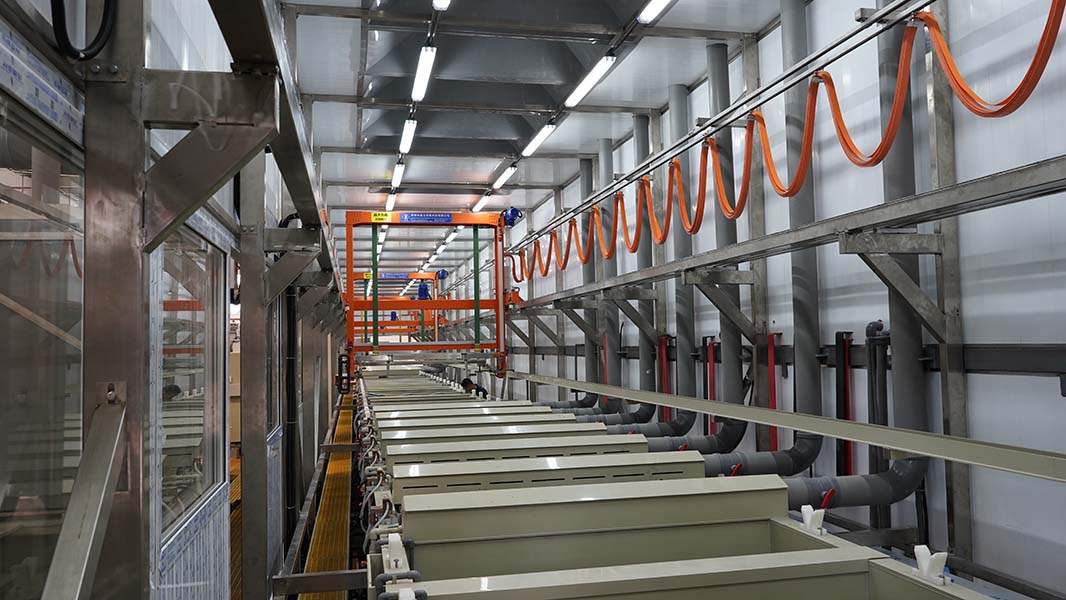
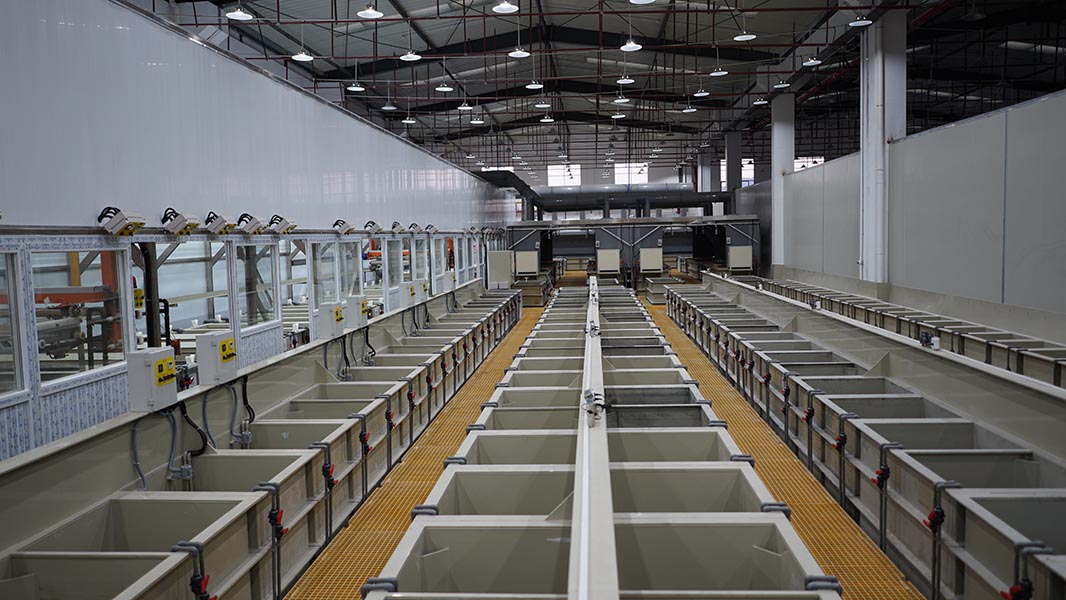
Within an important aluminum processing industrial base in Eastern China, a Jiangxi-based enterprise with years of experience in architectural aluminum profiles faced an urgent need to upgrade its surface treatment workshop. As market competition shifted from cost to quality and brand, its original production model—reliant on manual operation and semi-automatic equipment—had become the main constraint on its high-end development. Specific pain points included significant batch instability in oxide film thickness and color due to human factors; slow production pace failing to match front-end extrusion capacity; and mounting pressure from high water/electricity consumption and tightening environmental regulations. In response, the company decided on a strategic investment to build a fully automatic oxidation line benchmarked against industry leaders, ultimately selecting Dingli Technology, with its extensive experience in aluminum profile equipment, as the partner.
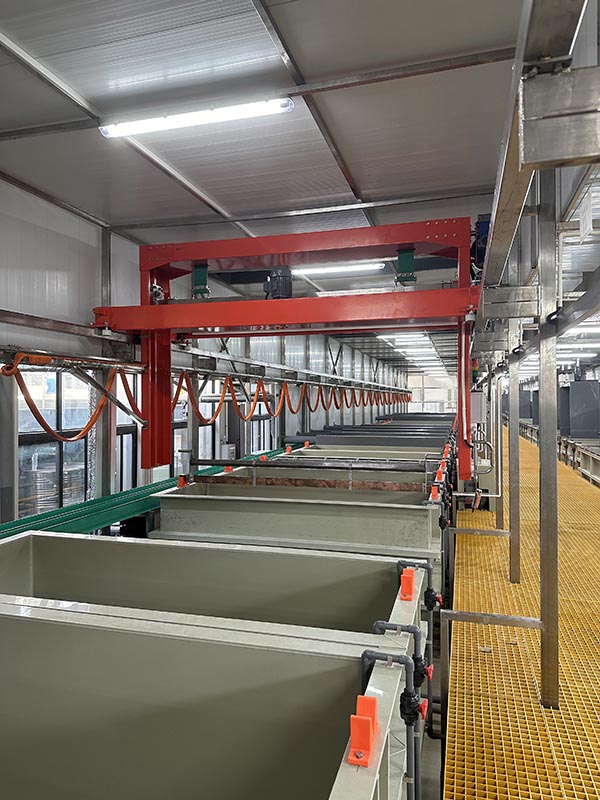
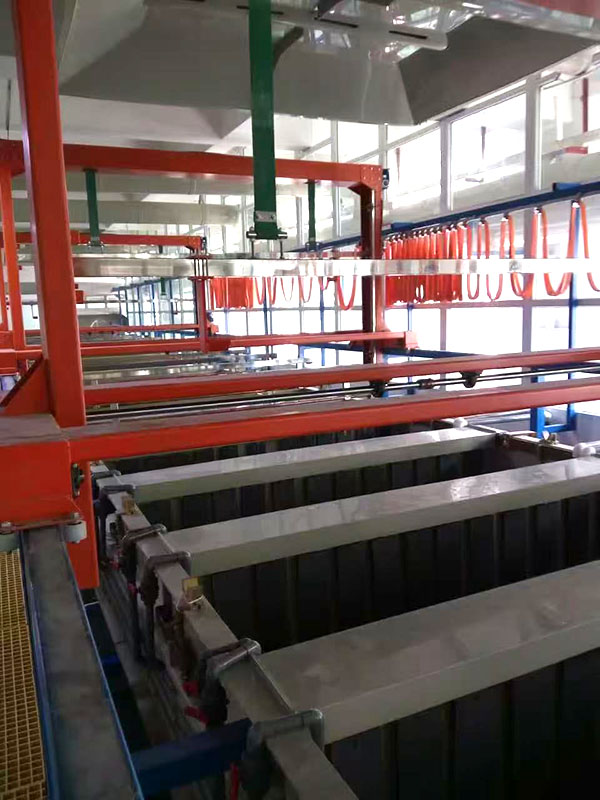
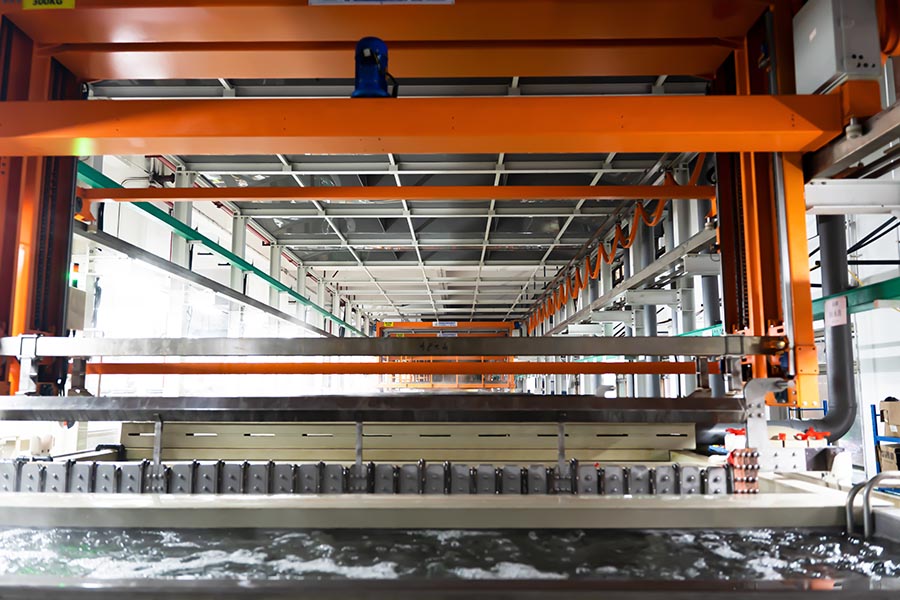
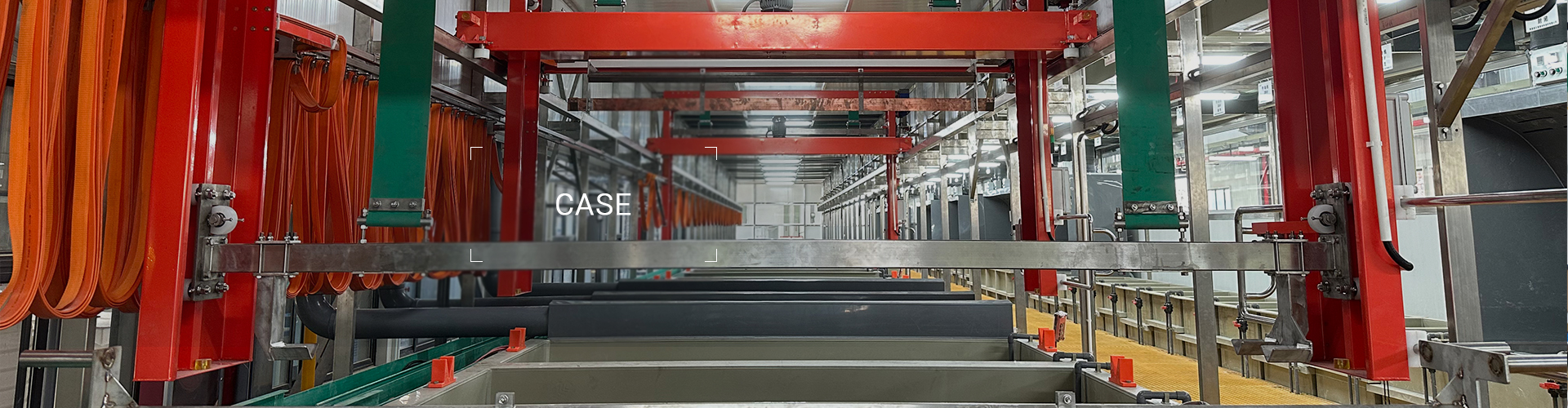
After thorough investigation, the Dingli Technology project team defined this project as a comprehensive "efficiency-driven and quality revolution" upgrade, rather than a simple equipment replacement. The core of the solution was a tailor-made, fully automatic gantry-style oxidation line. Its design fully accounted for the client's product mix of long profiles, often exceeding 6 meters: The oxidation tank incorporated a unique cathode layout and auxiliary anode system, paired with a high-capacity, stable switch-mode power supply. This effectively compensated for current attenuation at the ends of long profiles, ensuring uniform film thickness from end to end and restricting color variation to an extremely narrow, visually indistinguishable range. Simultaneously, the line integrated an intelligent temperature control and heat recovery matrix, efficiently capturing waste heat from the oxidation tank to preheat water for subsequent rinsing tanks, significantly reducing steam consumption.
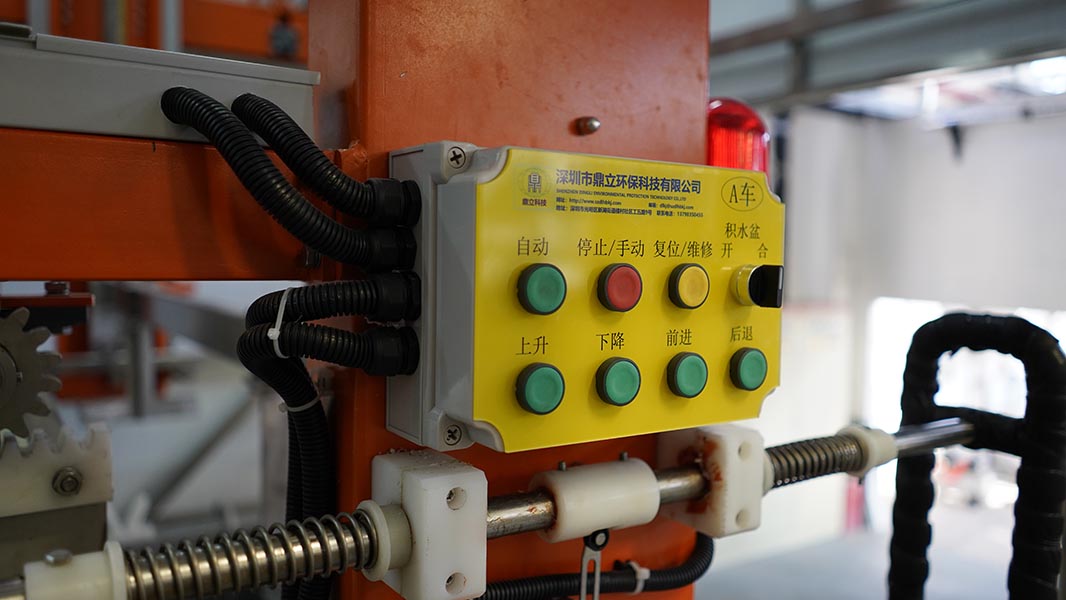
At the automation and intelligence level, this project fundamentally reshaped the workshop's production model. The central control system could call up complete process recipes—including degreasing, etching, anodizing, coloring, and sealing—with one click based on different order requirements. High-precision gantry cranes automatically handled the picking, transfer, and precise timed immersion of profiles without manual intervention. More critically, the system established a comprehensive production database. The process parameters, operation times, and energy data for every rack of profiles were recorded and traceable, providing a solid data foundation for continuous quality analysis and process optimization, shifting production management from "experience-based judgment" to "data-driven decision making."
The project delivered significant results that exceeded client expectations. In terms of production efficiency, the new line's capacity increased by over 150% compared to the old line, enabling stable 24/7 continuous operation. Regarding product quality, the uniformity deviation of oxide film thickness was optimized from over ±5μm to within ±2μm, and the first-pass yield rate soared to over 99.5%. For energy saving and environmental protection, thanks to the closed-loop water circulation system and heat recovery technology, the line's water consumption per unit product decreased by approximately 60%, and comprehensive thermal energy consumption dropped by over 30%. This production line has become the core guarantee for the client's high-end curtain wall and system window orders, serving as a key component of its digital factory and winning the company a significant competitive market advantage.
Share to WeChat
×
 The browser's built-in sharing function is also very user-friendly~