Shanxi Heavy duty Parts Hard Anodizing Project
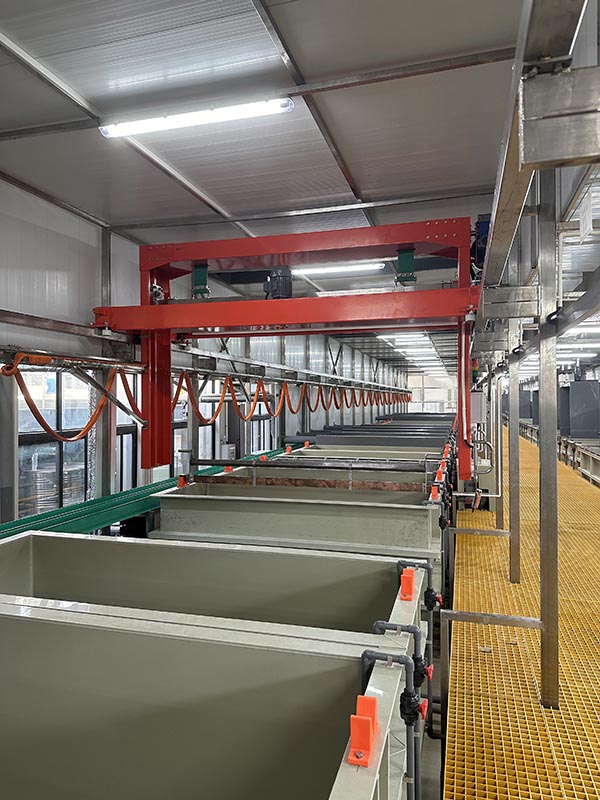
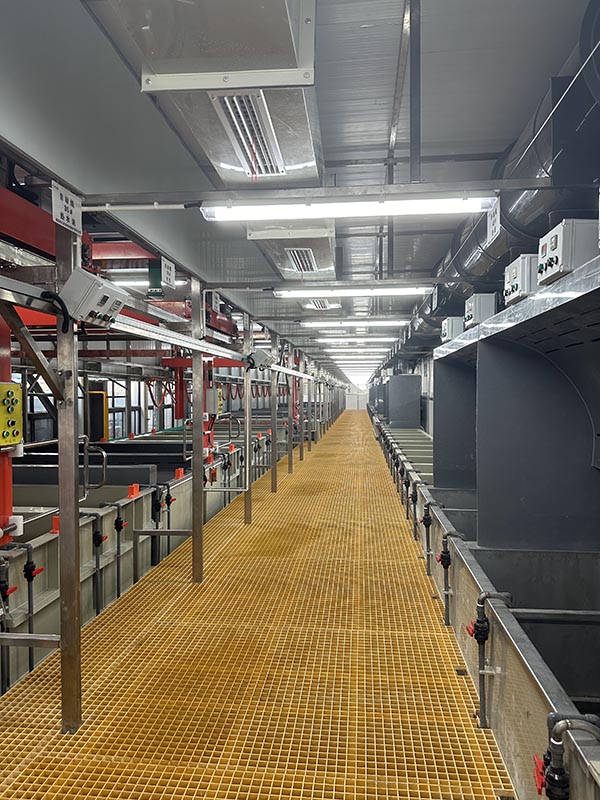
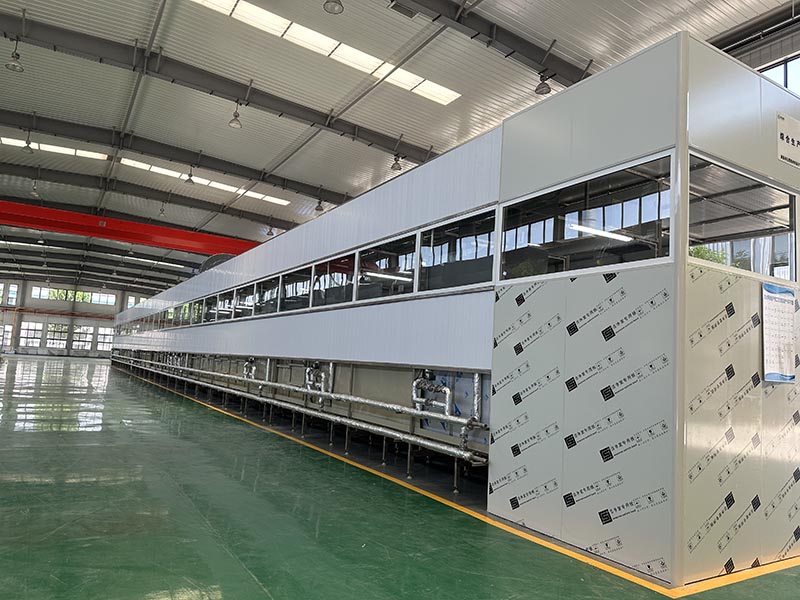
In a key industrial hub of Northwest China, a leading hydraulic equipment manufacturer faced an urgent need for product enhancement. Its core products—large hydraulic cylinders and pistons for engineering machinery—must operate for extended periods under extremely harsh conditions, where traditional surface treatments could no longer meet the stringent demands for wear life and corrosion resistance. The client ultimately focused on hard anodizing technology. However, finding a partner capable of handling their ultra-heavy, oversized workpieces while consistently achieving high-hardness oxide layers exceeding 50 microns became a formidable challenge. Drawing upon its profound expertise in specialized oxidation, Dingli Technology undertook this landmark engineering project.
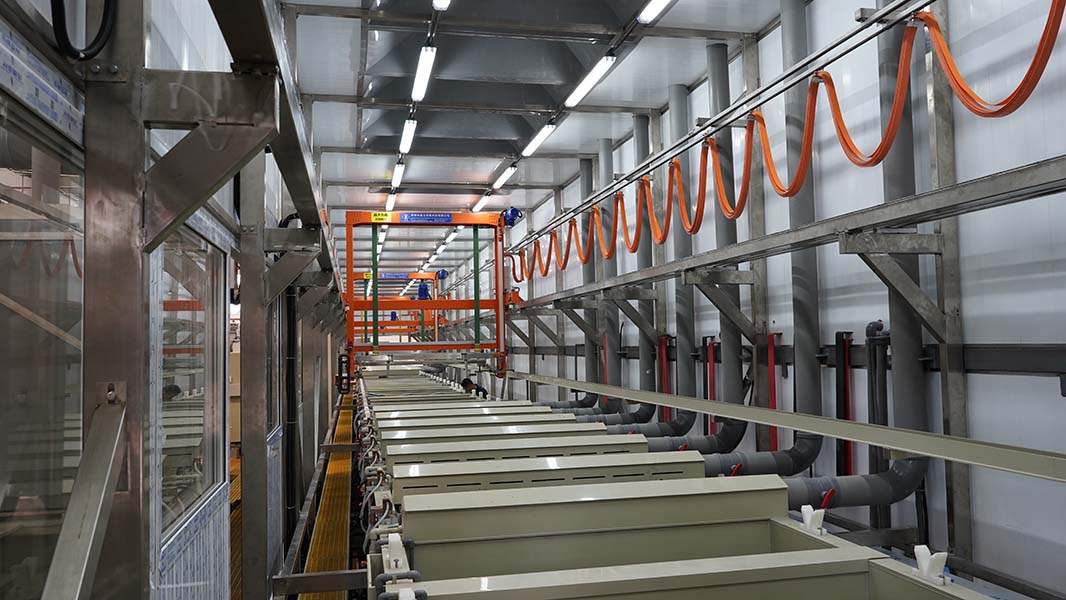
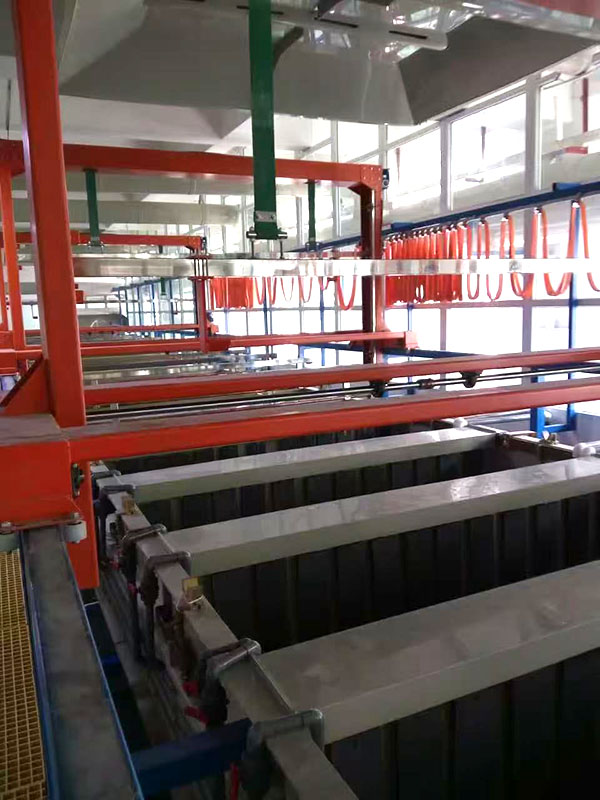
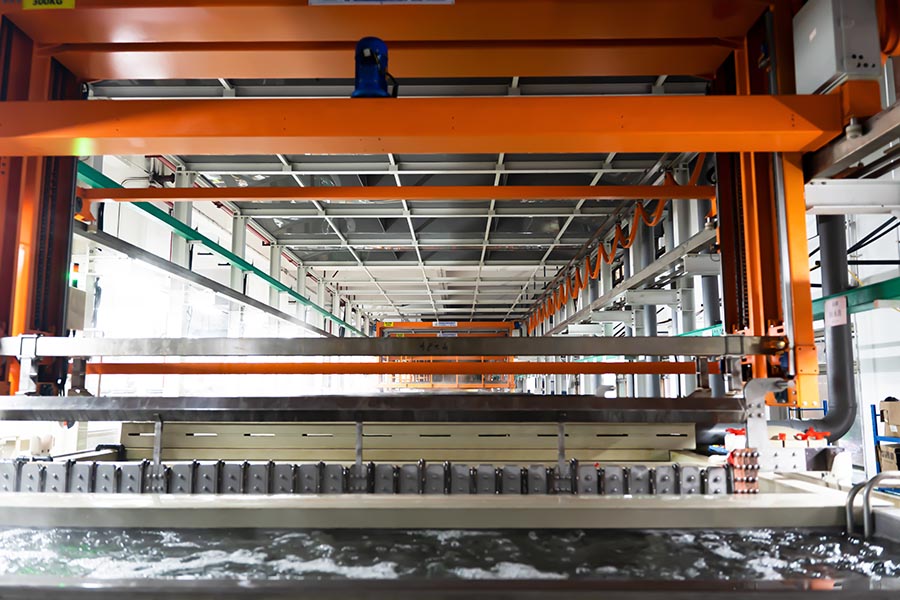
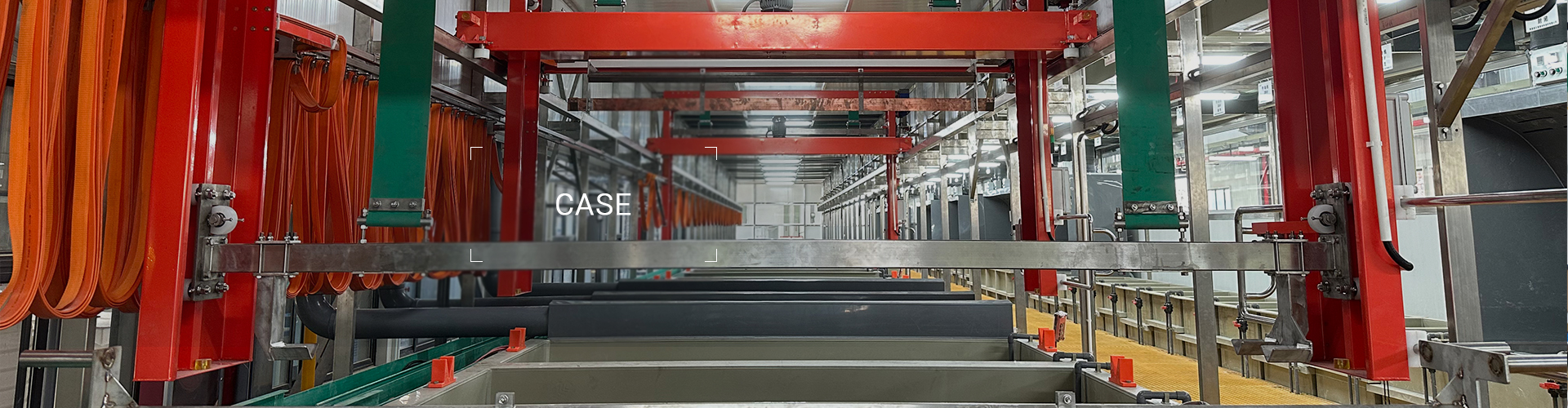
The primary challenge of this project was constructing a physical handling system capable of accommodating heavy-duty components. To this end, Dingli Technology designed and built oxidation tanks, refrigeration tanks, and auxiliary tanks with volumes far exceeding standard specifications. These featured reinforced structures and were equipped with heavy-duty suspension systems to safely and smoothly process large workpieces measuring several meters in length and weighing several tons. To tackle the oxidation of deep cylinder bore inner walls, the team developed specialized auxiliary cathodes and internal bore electrolyte circulation devices. This ensured uniform distribution of electrical current lines and sufficient electrolyte exchange within the deep bores, achieving consistent oxide film properties on both the internal and external surfaces of the components.
The technological core of the project lay in its tailor-made process and control system for hard anodizing. The project was equipped with a kilo-ampere level high-power pulse rectifier capable of outputting voltages up to several hundred volts, meeting the substantial power demands of hard anodizing at low temperatures and high current densities. Concurrently, a powerful cascade refrigeration system was integrated to ensure precise and stable maintenance of the oxidation bath electrolyte within the critical range of 0-5 degrees Celsius, even under high-load production. The central control system not only managed the production cycle but also performed millisecond-level monitoring and adaptive adjustment of the voltage-current profile and temperature fluctuations during oxidation, guaranteeing that the process window for each treatment remained optimal.
The implementation of this project delivered remarkable leaps in performance and benefits for the client. The treated heavy-duty components exhibited surface hardness exceeding HV500, with wear resistance improved several-fold and corrosion resistance verified by over 1000 hours of neutral salt spray testing. This enabled a significant extension of the client's product design life and maintenance intervals, serving as a critical technical credential for their entry into high-end markets. Furthermore, the waste heat recovery and power distribution optimization systems configured for this project effectively mitigated the high energy consumption typically associated with hard anodizing, achieving a balance between performance enhancement and cost control.
Ultimately, this project was more than just a set of equipment delivered by Dingli Technology; it was a joint endeavor with the client to tackle advanced surface treatment technology. It successfully and reliably applied the high-performance hard anodizing process from the realm of laboratories and standard parts to the mass production of heavy, non-standard critical components, setting a new quality benchmark for surface treatment within the client's operations and the heavy equipment manufacturing industry at large.
Share to WeChat
×
 The browser's built-in sharing function is also very user-friendly~